

Glass maintenance checklist routines are not just about keeping glass shiny. They help homeowners, property managers, retailers, office teams, and industrial facilities catch small glass problems before they turn into safety risks, comfort issues, or expensive replacements.
Glass is strong, but it is not maintenance-free.
Seals age. Tracks collect grit. Shower doors develop mineral buildup. Storefront entrances take daily abuse. Railings face fingerprints, moisture, wind, and temperature swings. Even custom mirrors and office partitions need the right care to stay clean, secure, and professional.
The good news is that most issues are easier to manage when you know what to look for. This glass maintenance checklist gives you a practical way to inspect windows, doors, railings, showers, mirrors, storefronts, and specialty glass throughout the year.
Why a Glass Maintenance Checklist Matters More Than Most People Think
Most people notice glass only when something looks wrong.

A crack appears.
A window turns foggy.
A sliding door starts sticking.
A shower enclosure leaks.
A storefront begins to look cloudy or worn.
By that point, the issue may already be larger than it appears. A useful glass maintenance checklist helps you spot early warning signs such as loose hardware, worn seals, cloudy insulated glass, water staining, chipped edges, rattling panels, or cleaning damage.
These are not just cosmetic details. They can affect safety, energy performance, privacy, security, and the overall look of a space.
For homes, this matters because glass is part of daily comfort. Windows help control drafts. Shower doors should seal properly. Mirrors should stay secure. Glass railings should feel stable. If you are already noticing drafts, cracks, or moisture, Zenith’s residential glass repair services are a relevant place to compare repair and replacement options.
For businesses, maintenance matters even more because glass is part of the customer experience. A clean, secure entrance builds trust. A damaged storefront can make a business look neglected. If your property relies on high-traffic entrances, review Zenith’s commercial glass doors and windows and commercial storefront glass pages when planning long-term upgrades.
A glass maintenance checklist also makes decisions easier. Instead of guessing whether a pane needs cleaning, repair, adjustment, or replacement, you can evaluate the glass in a simple, repeatable way.
1. Start With a Visual Glass Inspection
The first step in any glass maintenance checklist is a slow visual inspection. Do not rush it. Look at the glass from different angles and in different light.
Check for chips along the edges, hairline cracks, cloudy areas, scratches, stains, and small impact marks. Edge damage matters because many cracks begin where the glass is weakest. A tiny chip near a corner can grow after repeated temperature changes, pressure, or vibration.
For windows, look at both the interior and exterior side when possible. For glass doors, inspect the area near handles, hinges, locks, and bottom rails. For glass railings, look at every panel, clamp, post, and base shoe. For mirrors, pay attention to dark backing marks, looseness, or moisture damage around the edge.
How often should you inspect glass?
For homes, a seasonal review is usually a smart rhythm. For businesses, monthly checks are better, especially for storefronts and entry doors. High-traffic commercial glass should be checked more often after storms, renovations, deliveries, or nearby construction.
This is where a glass maintenance checklist becomes especially useful. It turns inspection into a habit rather than a reaction to damage.
2. Watch for Seal Failure and Foggy Insulated Glass
A glass maintenance checklist should always include insulated glass.
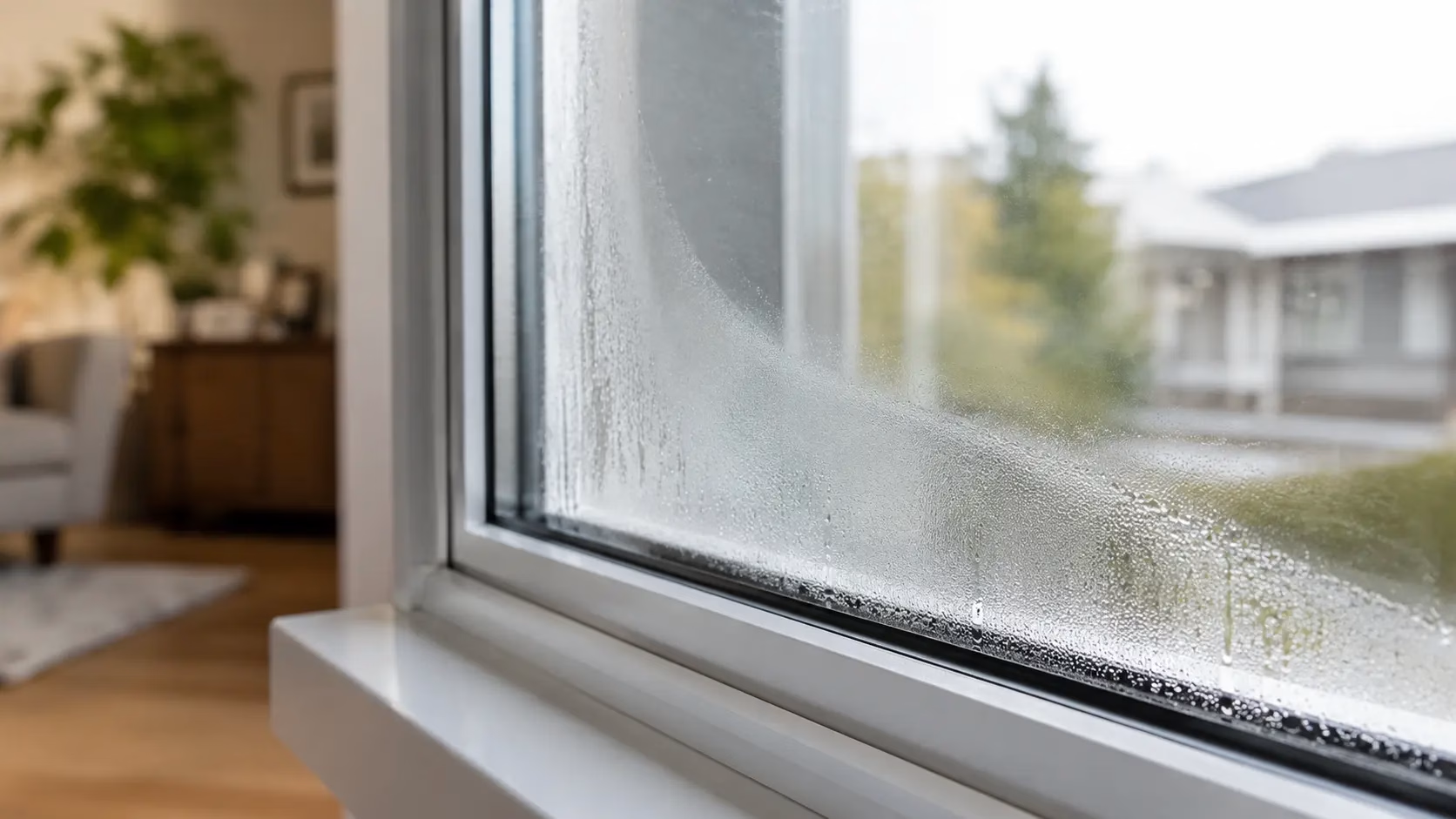
Double-pane and triple-pane units rely on sealed edges to help manage heat transfer, moisture, and comfort. Once that seal begins to fail, the unit may show fogging, haze, or condensation between panes.
This is different from surface condensation. Interior condensation can often be wiped away. Between-the-pane fog cannot be cleaned from the room side because the moisture is trapped inside the sealed unit.
If you see this problem, do not assume the whole window frame must be replaced. In many cases, the insulated glass unit can be assessed separately from the frame. Zenith’s insulated glass services are especially relevant when the glass is foggy, drafty, outdated, or no longer performing well.
For extra context on energy performance, Natural Resources Canada’s energy-efficient windows guidance is a helpful resource for understanding why windows, doors, and skylights matter in Canadian buildings.
A good glass maintenance checklist should separate ordinary surface moisture from seal failure. One can often be managed with humidity and ventilation. The other usually needs professional assessment.
3. Check Frames, Caulking, Gaskets, and Weatherstripping
Glass performance depends on more than the pane.
A perfect piece of glass can still underperform if the frame, caulking, gasket, or weatherstripping is failing.
Walk around the glass and look for gaps, brittle caulking, missing gasket pieces, cracked rubber, water staining, swelling trim, or daylight showing around the frame. On commercial doors, pay attention to bottom sweeps and threshold areas because they take a lot of wear.
A common question is: can bad seals cause higher energy bills?
Yes. Poor sealing can allow air leakage and heat transfer. It may also lead to drafts, condensation, and comfort complaints near the glass. This is why the glass maintenance checklist should include the full opening, not only the visible pane.
For commercial spaces, a door that does not close firmly can affect security and indoor comfort. If the issue involves a business entrance, Zenith’s commercial doors, glass repair and replacement page is a useful next step.
4. Clean Glass the Right Way
Cleaning sounds simple, but the wrong method can damage glass, coatings, frames, and hardware.
Avoid abrasive pads, harsh powders, dirty rags, razor blades used without proper care, and strong chemicals that are not meant for the surface.
Use a soft microfiber cloth, clean water, and a non-abrasive glass cleaner. For exterior glass, rinse grit away before wiping. For shower glass, remove mineral buildup regularly so hard water does not leave stubborn deposits. For mirrors, spray cleaner onto the cloth instead of soaking the mirror edge, especially in bathrooms.
Here is the easy rule: clean glass gently and consistently.
A light weekly clean is safer than aggressive scrubbing once buildup has hardened.
If bathroom glass is the issue, Zenith’s glass showers and frameless shower doors pages can help you compare design and replacement options. For privacy-focused rooms, frosted glass may also reduce visible smudges while keeping light moving through the space.
This part of the glass maintenance checklist is simple, but it makes a major difference in appearance and long-term surface quality.
5. Inspect Hardware, Hinges, Rollers, and Tracks
Moving glass needs extra attention.

Sliding doors, frameless shower doors, commercial entrances, cabinet glass, and office partitions all depend on hardware.
Add these checks to your glass maintenance checklist:
| Glass Feature | What to Check | Warning Sign |
|---|---|---|
| Sliding doors | Tracks, rollers, locks | Dragging, grinding, jumping |
| Shower doors | Hinges, sweeps, seals | Leaks, sagging, rubbing |
| Storefront doors | Closers, pivots, locks | Slamming, loose handles |
| Glass railings | Clamps, posts, base channels | Movement, rattling |
| Office glass | Door alignment, seals, panels | Gaps, scraping, vibration |
Do not ignore movement. Glass should not rattle, scrape, wobble, or feel unstable. Hardware issues can place stress on the glass and create future breakage risks.
If you are upgrading a workplace, Zenith’s glass offices and office glass dividers pages are good internal resources for modern partitions, privacy glass, and custom divider systems.
For commercial teams, this glass maintenance checklist can also be shared with staff so small issues are reported before a door, panel, or divider becomes unsafe.
6. Look for Moisture Problems Around Glass
Moisture is one of the biggest clues in a glass inspection.
It can show up as condensation, staining, mould risk, swollen trim, softened drywall, mildew near frames, or water collecting along a sill.
Not all condensation means the glass has failed. Sometimes condensation forms because indoor humidity is high and the glass surface is cold. But persistent moisture should not be ignored. Over time, moisture can damage surrounding materials and make a small issue harder to fix.
If you are trying to understand indoor humidity and moisture control, the Canada Mortgage and Housing Corporation moisture and air guide is a useful editorial reference.
A practical glass maintenance checklist should ask three moisture questions:
Is moisture on the room-side surface?
Is moisture trapped between panes?
Is moisture damaging the frame, wall, sill, or floor?
Each answer points to a different issue. Surface condensation may relate to humidity and ventilation. Between-pane moisture often suggests seal failure. Moisture around the opening may point to drainage, caulking, flashing, or installation problems.
7. Give Glass Railings a Safety-Focused Review

Glass railings are beautiful because they keep views open and spaces bright. They also need careful inspection because they are safety features, not just design features.
For railings, your glass maintenance checklist should include panel stability, fastener condition, chips near exposed edges, loose posts, corroded hardware, and any sign of shifting. Outdoor railings should be checked after freeze-thaw cycles, strong winds, construction work, or impact.
Do glass railings need special cleaning?
Usually, they can be cleaned with soft cloths and non-abrasive cleaners, but the hardware also matters. Avoid products that corrode metal fittings or leave slippery residue on walking surfaces.
If you are planning a new railing or replacing an older one, Zenith’s glass railings page is the natural service resource. For code-related context, the current Ontario Building Code is also worth reviewing with a qualified professional when glass is part of a guard, balcony, stair, or elevated area.
This glass maintenance checklist is not a replacement for professional code review, but it can help you notice when a railing deserves closer attention.
8. Protect Storefront and Commercial Glass From Daily Wear
Commercial glass deals with more impact than residential glass.
Customers push doors. Delivery carts bump entrances. Winter salt gets tracked inside. Stickers, decals, tape, and signage can leave residue. Cleaning crews may use the wrong tools if they are not given clear instructions.
A storefront glass maintenance checklist should include door alignment, lock operation, threshold condition, cracks near corners, gasket wear, exposed edges, sealant gaps, and scratches at customer height.
How often should a storefront be cleaned?
Visible storefront glass should usually be cleaned at least weekly, and often more frequently for restaurants, salons, clinics, retail stores, and showrooms. Inspection should happen separately from cleaning because a clean pane can still have a structural or hardware issue.
Zenith’s blog post on storefront glass repair is a helpful companion if your storefront already has visible damage. If you are thinking about appearance and long-term performance together, the premium storefront glass solutions article gives a broader look at storefront upgrades.
9. Know When Cleaning Is Not Enough
Maintenance helps extend the life of glass, but it does not solve every issue.
Some problems should be assessed by a professional rather than handled as DIY cleaning.
Call for help if you notice spreading cracks, loose railing panels, fog between panes, a commercial door that will not close securely, repeated water leaks, large chips near edges, broken mirror backing, unstable shower doors, or glass that feels underbuilt for its location.
Another common question is: can scratched glass be repaired?
Light surface marks may sometimes be improved, but deep scratches, impact damage, safety glass issues, and edge chips need professional review. The safest answer depends on the glass type, location, size, and purpose.
Zenith’s article on tempered vs. laminated glass is useful when safety is part of the decision. Their glass thickness guide is also worth reading before choosing replacement glass for showers, railings, storefronts, office dividers, or custom panels.
A glass maintenance checklist should always end with one clear decision: clean, monitor, repair, or replace.
A Simple Seasonal Glass Maintenance Checklist
Use this quick schedule to keep glass care manageable:
| Timing | Tasks |
|---|---|
| Monthly | Clean high-use glass, check doors, inspect hardware, wipe shower seals |
| Spring | Check exterior caulking, winter salt damage, railing hardware, drainage paths |
| Summer | Watch heat stress, direct sun exposure, seal movement, film or decal issues |
| Fall | Prepare windows and doors for cold weather, inspect weatherstripping |
| Winter | Monitor condensation, drafts, ice buildup, and indoor humidity |
| Annually | Review all major glass, mirrors, railings, storefronts, and insulated units |
This glass maintenance checklist works because it is simple enough to repeat. You do not need to become a glass expert. You only need to notice what is changing.
For inspiration before a larger update, Zenith’s projects page can help you see how custom glass, mirrors, railings, and shower systems can improve different spaces.
Glass Maintenance for Different Property Types
A home, storefront, office, and industrial facility do not need the exact same glass maintenance checklist.
In a home, the focus is usually comfort, safety, style, and daily usability. Pay attention to windows, shower doors, mirrors, cabinet glass, railings, and door glass. If you are updating decorative or fitted pieces, Zenith’s custom mirrors, glass cabinets, and custom glass pages are worth exploring.
In a retail or commercial property, the focus is visibility, security, brand appearance, and customer flow. Storefront glass, entry doors, office glass, display glass, and railings should be easy to use and clean to look at.
In industrial spaces, the focus is durability, safety, insulation, and operational continuity. Glass may be larger, higher, harder to access, or exposed to tougher conditions. Zenith’s industrial glass services are designed for more demanding environments where strength and performance matter.
The best glass maintenance checklist is the one that reflects the real use of the property. A quiet residential mirror wall and a busy commercial entrance should not be maintained the same way.
Plan Glass Maintenance Before Damage Gets Expensive
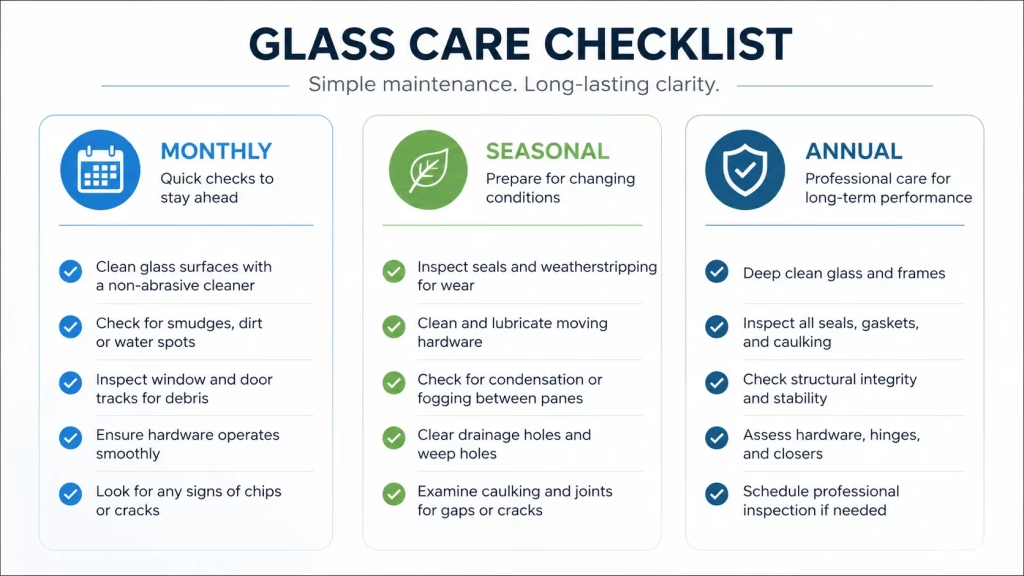
The best time to use a glass maintenance checklist is before something breaks.
A quick inspection can help you decide whether a pane simply needs cleaning, a door needs adjustment, a seal needs attention, or a unit should be replaced before the problem spreads.
For property owners across the GTA, Zenith Glass & Mirror connects maintenance awareness with practical service options. You can start with the main Zenith Glass website, browse service areas, or look at specific local pages such as glass repair in North York, glass repair in Mississauga, and glass repair in Markham.
Whether you are dealing with windows, storefront glass, insulated units, shower glass, mirrors, railings, office dividers, or industrial glazing, the goal is the same: keep the glass safe, clear, secure, and built for the way the space is actually used.
If your glass maintenance checklist turns up cracks, fogging, loose hardware, failed seals, leaking glass, or a design that no longer works for your property, contact Zenith Glass & Mirror to discuss the right repair, replacement, or custom glass solution.