
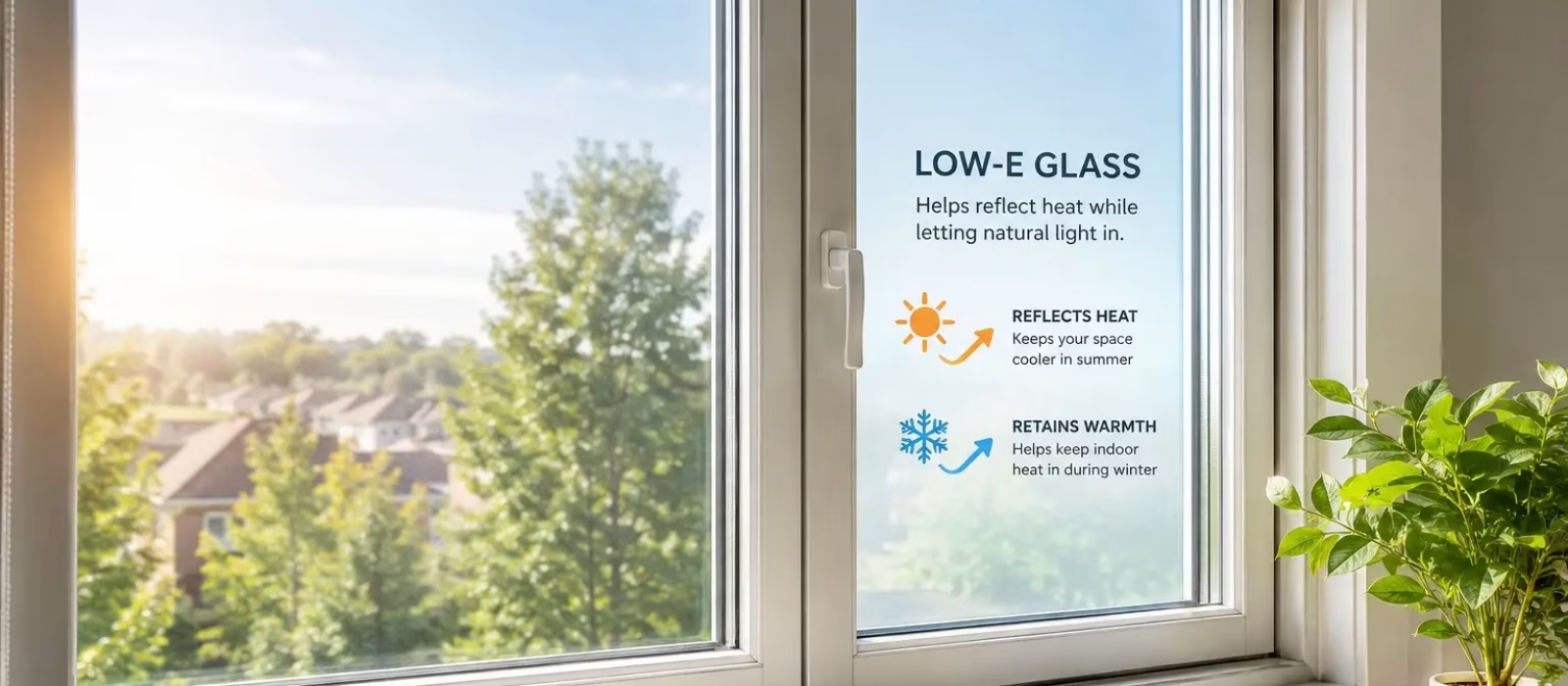
Low-E glass helps solve a common window problem: glass that looks fine but still lets rooms feel cold, hot, drafty, or uncomfortable. If you are comparing window glass options for a home, storefront, office, or industrial space, understanding the coating can help you make a smarter choice before you commit to a repair or replacement.
For many GTA properties, Low-E glass is most useful when it is part of a sealed insulated glass unit. That is why it connects closely with insulated glass options, especially when the goal is better comfort without changing the look of the building.
What Is Low-E glass?
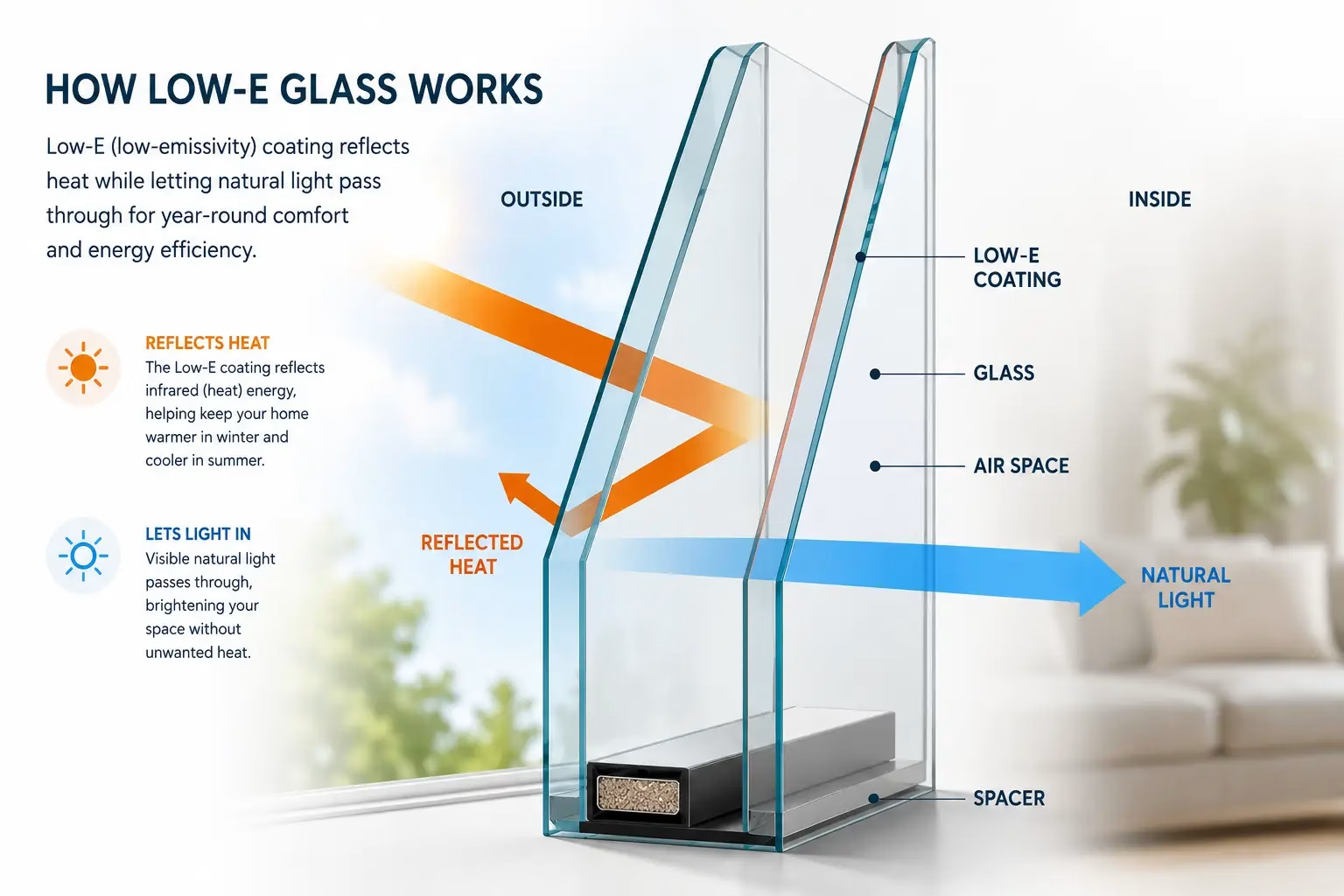
Low-E glass is glass with a very thin low-emissivity coating applied to one surface of the pane. The coating is designed to reduce heat transfer while still allowing visible daylight to pass through.
In plain language, The coating helps manage invisible heat energy. During colder months, it can help reflect indoor heat back toward the room. During warmer periods, certain Low-E coatings can help reduce unwanted solar heat coming through the glass.
This does not mean the glass becomes dark, heavy, or mirror-like. Many modern Low-E glass products look very similar to clear glass once installed. The difference is in how the coated surface performs.
The NFRC consumer guide to Low-E coatings describes low-emissivity coatings as transparent metallic layers applied to glass. Natural Resources Canada also identifies low-emissivity coatings as a key feature used in energy-efficient windows, doors, and skylights.
Why Low-E glass Matters for Homes and Businesses
Windows affect more than the view. They influence comfort, heating and cooling loads, condensation risk, glare, furniture fading, tenant satisfaction, and how usable a room feels at different times of day.
This matters because it gives property owners a way to improve performance without giving up natural light. For homeowners, that can mean a bedroom that feels less cold in winter or a living room that is easier to keep comfortable. For business owners, it can mean a storefront, office, clinic, or showroom that feels more consistent for customers and staff.
If you are dealing with cracked, fogged, or failed residential glass, it may be worth reviewing residential glass repair and replacement before assuming the entire window frame needs to be replaced. In many cases, the glass unit and the frame should be assessed separately.
7 Smart Benefits of Low-E glass

1. Better year-round comfort
The first benefit is comfort. Standard clear glass allows heat to move through the window more easily. In winter, that can make the area near the window feel colder. In summer, sun-facing glass can make certain rooms feel warmer than the thermostat suggests.
Low-E glass helps reduce that swing. It cannot fix every comfort issue on its own, but it can be a major improvement when paired with the right sealed unit, spacer, frame condition, and installation quality.
For homes, that may mean fewer cold spots near windows. For commercial spaces, it can mean better comfort for seating areas, reception zones, meeting rooms, and workstations near exterior glass.
2. Reduced heat loss through the glass
Heat loss is one of the biggest reasons property owners ask about upgraded window glass. Low-E glass is designed to slow radiant heat transfer, which helps the window system perform better than basic clear glass.
This is where the upgrade connects with U-value. U-value measures how readily heat moves through a window assembly. A lower U-value generally means better insulation performance. If you want a deeper explanation, Zenith’s Window U Value guide is a helpful companion topic.
The key point is simple: Low-E glass can be part of a better-performing insulated unit, but the full window system still matters. Glass, spacer, seal, frame, sash, and installation all affect the final result.
3. More control over solar heat gain
Not all Low-E glass is the same. Some coatings are designed to allow more solar warmth into the building. Others are designed to block more solar heat.
That choice matters in Canada because the same building may need winter heat retention and summer overheating control. A south-facing living room, a west-facing storefront, and a shaded north-facing office may not need the same glass.
Natural Resources Canada’s guidance on low-solar and high-solar gain glazings explains that Low-E coatings can vary in solar performance. Zenith’s Solar Heat Gain Coefficient guide is also useful when you want to understand how sunlight affects comfort.
Before choosing Low-E glass, ask what problem you are solving. Is the room too cold, too hot, too bright, or too inconsistent? The answer shapes the best coating choice.
4. Less strain on heating and cooling systems
When glass performs poorly, the HVAC system often has to compensate. Heat loss in winter and solar gain in summer can make the equipment work harder to keep rooms comfortable.
The right glass upgrade can help reduce that load by improving the thermal behaviour of the window unit. It is not a substitute for proper insulation, air sealing, or efficient mechanical systems, but it can support the building envelope.
This is especially important in larger glass areas. A few small windows may not create a major comfort issue. A storefront, glass office wall, corner suite, sunroom, or large residential window wall can have a much bigger effect on how the space feels.
For businesses, that comfort difference can affect where people sit, how products are displayed, and whether employees avoid certain zones at peak sun hours.
5. Improved condensation resistance
Low-E glass can help reduce condensation risk by keeping the interior glass surface warmer in cold weather. A warmer interior glass surface is less likely to drop below the dew point of indoor air.
That said, Low-E glass does not magically remove moisture from a building. Condensation can still happen when indoor humidity is high, airflow is blocked, seals have failed, or the window system is poorly installed.
Use this rule of thumb: moisture on the room-side surface often points to humidity and airflow conditions; moisture between panes usually points to a failed sealed unit. The fix is different.
If your windows are fogging or showing recurring moisture, compare the symptoms with Zenith’s guide on window condensation fixes before deciding what to replace.
6. Protection for interiors
Sunlight makes rooms feel bright and welcoming, but long-term exposure can fade flooring, upholstery, artwork, merchandise, and display materials. The coating can reduce some of the solar energy that contributes to fading while still allowing daylight into the space.
This is useful for homes with large windows and for businesses with front-facing displays. Retail stores, clinics, showrooms, offices, restaurants, and lobbies often want visibility and daylight without exposing interiors to unnecessary heat and UV-related wear.
Low-E glass is not the only way to manage sunlight. Shades, exterior overhangs, films, blinds, and layout choices can all help. The best solution depends on the building exposure and how the space is used.
7. Better long-term glass planning
The final benefit is decision clarity. Instead of choosing glass only by price or appearance, you can compare how the glass needs to perform.
That means looking at:
| Factor to review | Why it matters | What to ask before choosing |
|---|---|---|
| U-value | Shows heat loss performance | Is winter comfort or heat retention the main issue? |
| SHGC | Shows solar heat gain | Is the room overheating from direct sun? |
| Visible transmittance | Shows daylight levels | Do you want maximum light or glare control? |
| Glass type | Affects safety and durability | Does the location require tempered or laminated glass? |
| Frame condition | Affects overall performance | Is the frame still sound enough for glass replacement? |
| Seal quality | Affects fogging and moisture | Has the insulated glass unit failed? |
| Installation | Affects real-world results | Will the unit be measured, fabricated, and sealed properly? |
This approach helps you avoid a common mistake: paying for a glass upgrade without understanding what the upgrade is supposed to do.
Is Low-E glass Worth It for Older Windows?
Low-E glass can be worth it for older windows when the frame is still in good condition and the goal is to improve comfort or replace a failed insulated unit. It may not be the right answer if the frame is rotting, warped, leaking, badly out of square, or no longer able to support a proper seal.
That is why an assessment matters. A glass-only replacement can make sense when the window structure is sound. A full window replacement may be better when the frame, sash, weatherstripping, or surrounding opening is the bigger problem.
For commercial properties, the same logic applies. If the storefront or exterior frame is stable, replacing the glass unit may restore performance and appearance. If the framing system is failing, the project may need a broader repair plan. Zenith’s commercial glass repair services can help business owners think through those differences.
How to Choose the Right Low-E glass
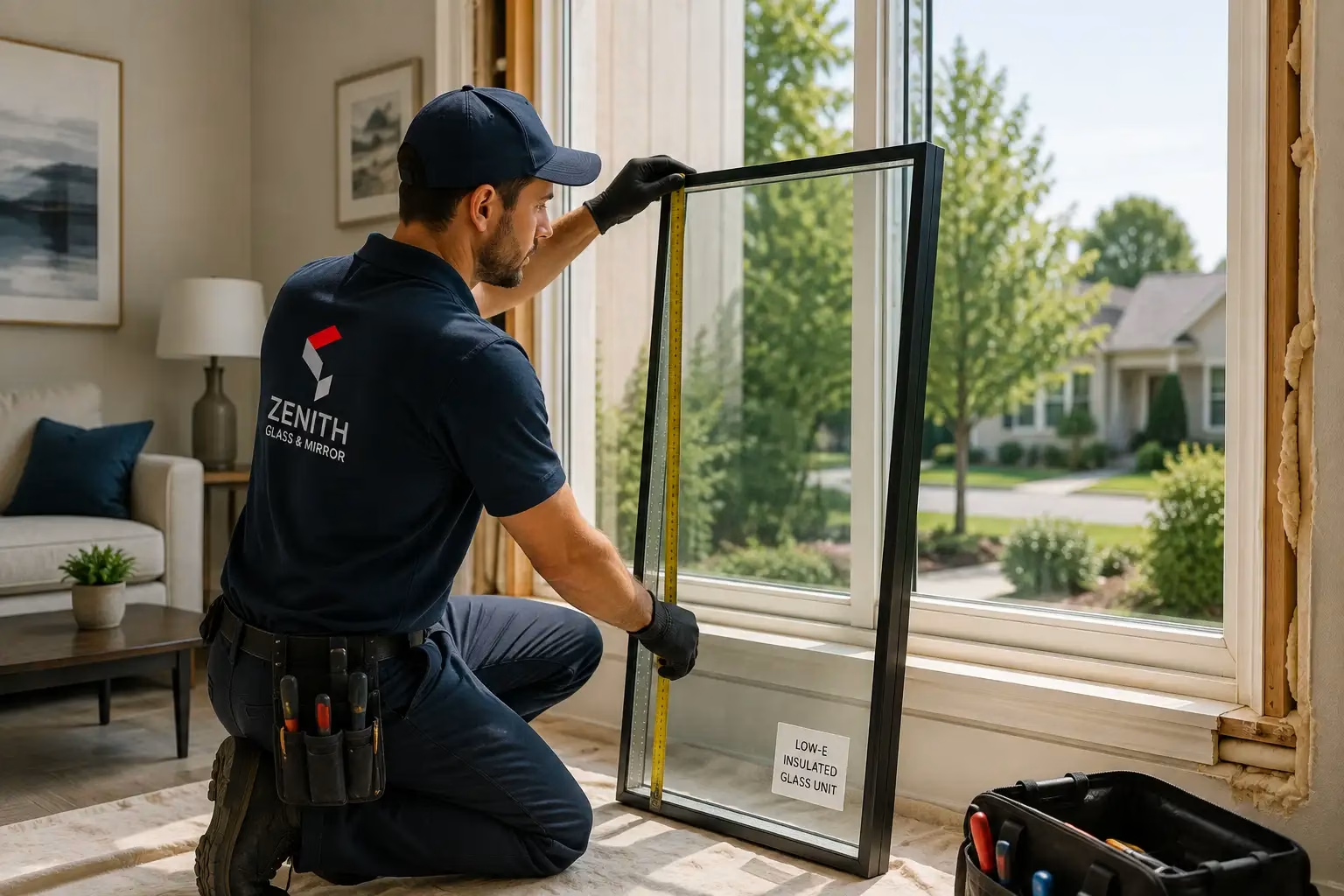
Start with the room, not the product label.
A smart glass choice begins with questions:
- Which side of the building is affected?
- Is the problem worse in winter, summer, or both?
- Is the glass cracked, fogged, or simply uncomfortable?
- Is the space residential, retail, office, industrial, or mixed-use?
- Do you need clear views, privacy, sound control, safety glass, or glare reduction?
- Is the existing frame in good condition?
- Are you replacing one unit or planning a larger upgrade?
Then compare the product ratings. Look at U-value, SHGC, visible transmittance, and Energy Rating where available. Natural Resources Canada’s ENERGY STAR windows, doors, and skylights resources can help buyers understand how certified products are compared.
For many projects, the best choice is not the most expensive glass. It is the glass that matches the exposure, building use, safety needs, budget, and long-term performance goal.
Common Mistakes to Avoid Before Replacing Glass
One mistake is assuming all coatings perform the same. A coating that works well on one side of a building may not be ideal somewhere else.
Another mistake is ignoring the frame. Even high-performance glass will disappoint if the frame is damaged, poorly sealed, or allowing air and water leakage.
A third mistake is focusing only on energy savings. Comfort, condensation control, safety, appearance, visibility, privacy, noise, and maintenance all matter too.
Finally, do not choose glass based only on a single rating. U-value and SHGC should be reviewed together. So should glass type, thickness, spacer quality, and installation details.
Choose the Right Low-E glass with Zenith Glass & Mirror
Low-E glass is a smart option when you want glass that does more than simply fill an opening. It can improve comfort, support energy performance, reduce heat transfer, help manage condensation risk, and make rooms feel better throughout the year.
Zenith Glass & Mirror works with residential, commercial, and industrial glass needs across the GTA. Whether you are replacing a fogged insulated unit, upgrading uncomfortable window glass, planning a storefront repair, or reviewing glass options for a larger project, the right recommendation starts with the actual space.
You can review local service areas across the GTA or use the contact page to request guidance on the best glass option for your property.