
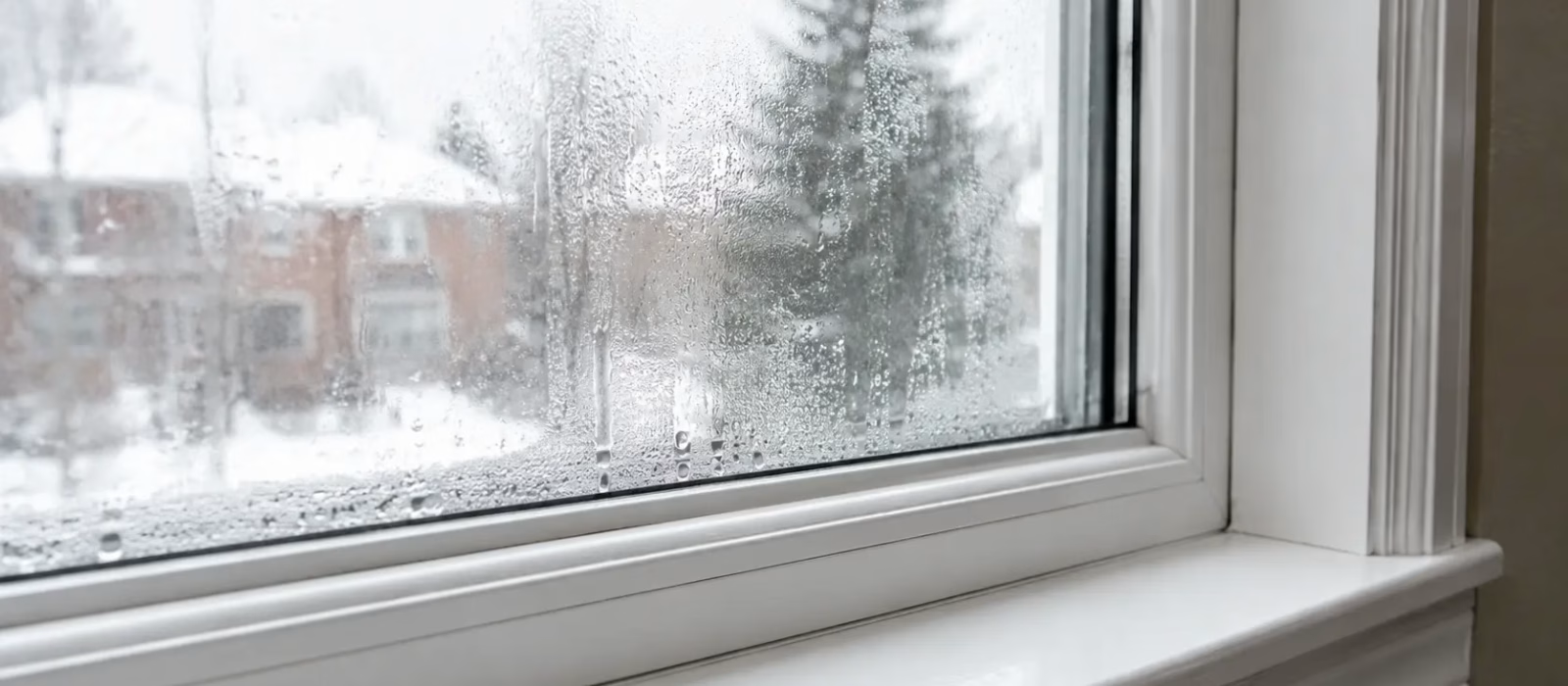
Window condensation is one of the most common reasons homeowners start to worry about their windows. Sometimes it is minor and seasonal. Sometimes it is a sign that indoor humidity is too high, airflow is poor, or the insulated glass itself has failed.
If you are already seeing recurring moisture, drafts, or cloudy glass, it helps to compare residential glass repair services early instead of waiting for stained trim, peeling paint, or a bigger repair. The key is to figure out where the moisture is showing up and what that location is t elling you.
What Window Condensation Actually Means
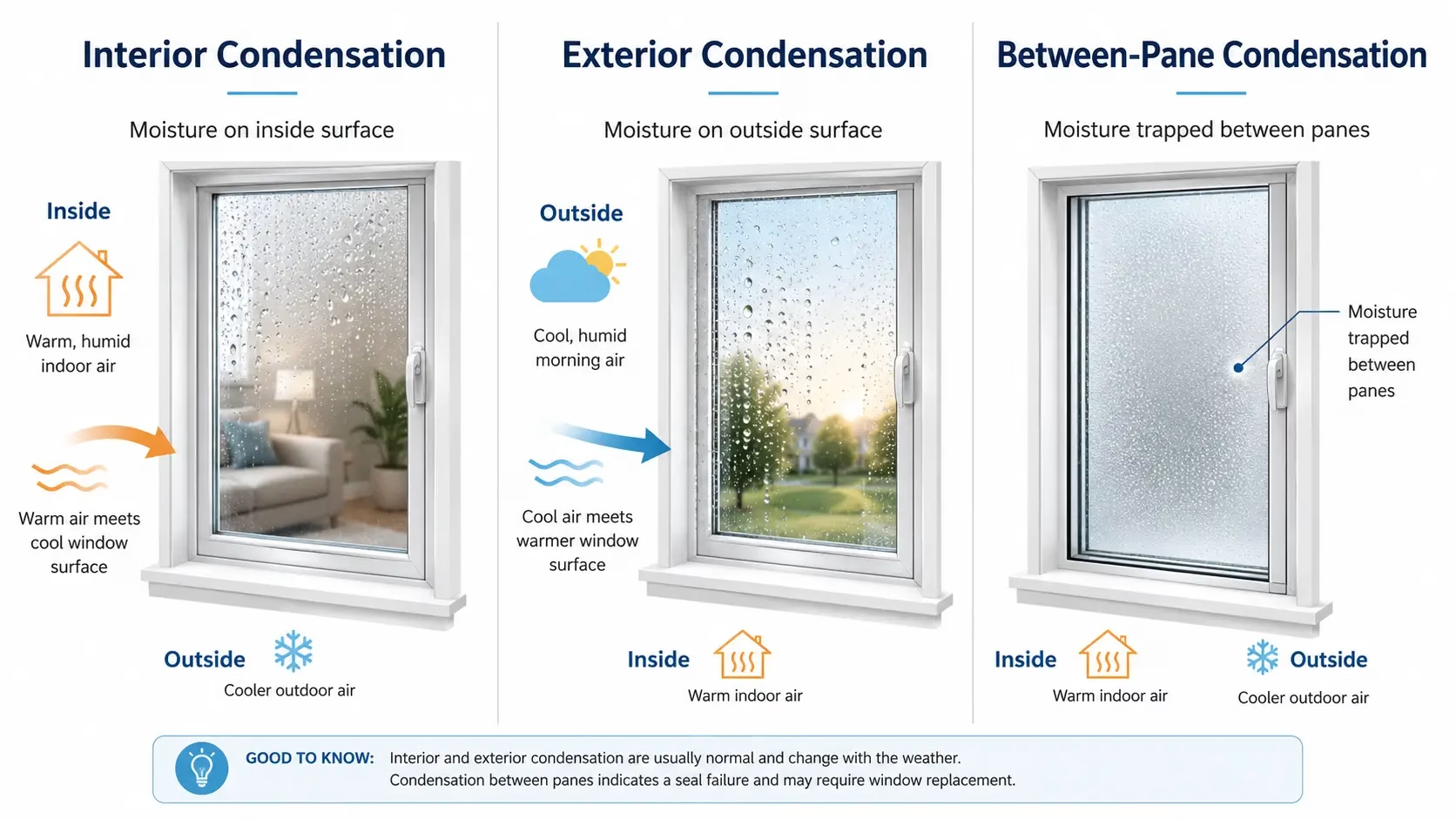
Window condensation happens when warm, moisture-laden air meets a cooler glass surface and drops below its dew point. That is the building-science version. In plain language, the air around the window is carrying more moisture than the glass surface can handle.
Is window condensation always a problem?
No. Window condensation is not automatically a sign that the window is bad. A light film on the room side of the glass during a cold snap may simply mean indoor humidity is high for the current outdoor temperature.
What matters is the pattern. If window condensation is heavy, repeated, damaging surrounding materials, or trapped between panes, you should treat it as a warning sign rather than a cosmetic issue.
| Where the moisture appears | What it usually means | How urgent it is | Best next step |
|---|---|---|---|
| Inside surface of the glass | Indoor humidity is high for the glass temperature | Moderate if it is frequent or heavy | Lower humidity, improve airflow, inspect the window area |
| Outside surface of the glass | The outer pane is cooler than outdoor air, often on humid mornings | Usually low | Monitor only; this often reflects good insulating performance |
| Between the panes | Seal failure in an insulated glass unit | High | Arrange a professional glass assessment |
| On the frame, sill, or nearby drywall | Persistent moisture, airflow problems, leakage, or long-term condensation | High if materials are staining or swelling | Investigate both humidity and the window assembly |
Why does the location of moisture matter so much?
Because different kinds of window condensation point to different problems. Natural Resources Canada’s condensation guidance makes the same distinction: interior surface condensation, exterior surface condensation, and condensation between panes are not the same thing and should not be treated the same way.
This is where many homeowners lose time. They wipe the glass, assume the window is broken, and either overspend on the wrong solution or ignore a real issue for too long.
What Causes Window Condensation in Canadian Homes
Window condensation is especially common in Canada because homes deal with long heating seasons, sharp temperature swings, and tighter building envelopes than older houses used to have. The better your home holds heat, the more important moisture control becomes.
Why is window condensation worse in winter?
In winter, indoor air is warm and often more humid than the air outside. When that warm air hits cold glass, window condensation forms faster. Bedrooms, bathrooms, kitchens, and laundry areas are usually the first places it shows up because those rooms generate more moisture.
Common moisture sources include showers, cooking, drying clothes indoors, humidifiers, unvented appliances, and even overnight breathing in tightly closed bedrooms. A home does not need a leak to have a moisture problem. Daily living can generate enough humidity on its own.
Can new windows still have window condensation?
Yes. Newer windows can still get window condensation if indoor humidity is high enough, blinds stay tightly closed against the glass, or air movement near the window is limited. New windows reduce the risk, but they do not make moisture physics disappear.
That said, higher-performance glass usually keeps interior glass surfaces warmer. That helps reduce the chance of condensation. ENERGY STAR’s residential window guidance and Natural Resources Canada’s window upgrade guidance both point to better-performing windows as part of the comfort and condensation conversation.
So if window condensation is heavy on relatively new glass, look at indoor humidity and ventilation first. If the moisture is trapped between panes, look at seal failure instead.
How to Fix Window Condensation Before It Damages Trim and Drywall
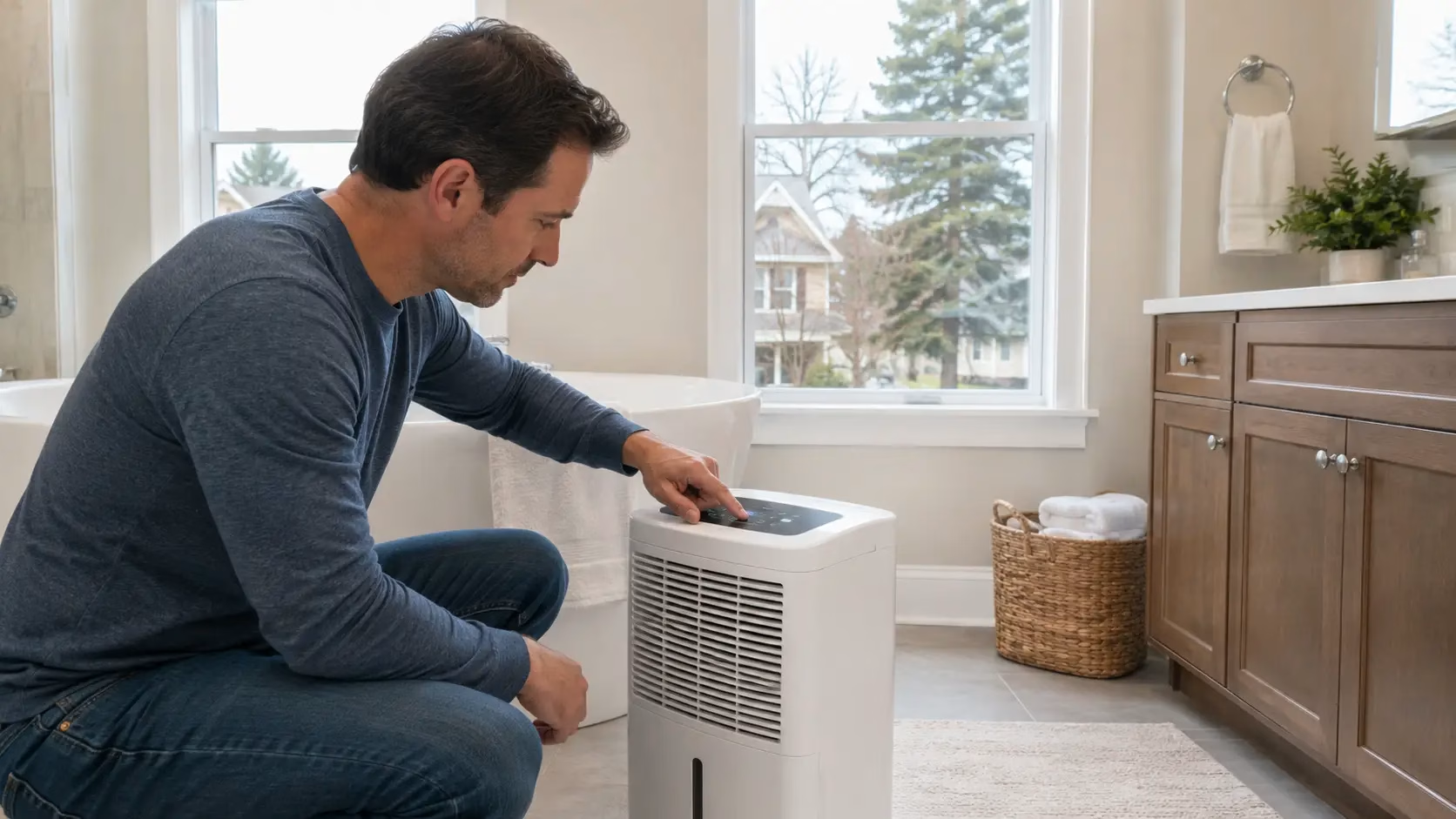
The best fix depends on the type of window condensation you have. Surface moisture is usually a humidity and airflow problem. Between-pane moisture is usually a glass-unit problem.
How much indoor humidity is too much?
There is no single perfect number for every day of the year, because outdoor temperature affects how much humidity your windows can tolerate. Still, if window condensation is showing up regularly, measure your indoor relative humidity with a hygrometer instead of guessing.
Natural Resources Canada’s humidity guidance explains that excessive moisture can lead to heavy condensation, mould risk, and damage over time. In real homes, the practical goal is not chasing a magic number. It is keeping humidity low enough that your windows stay mostly dry while the house still feels comfortable.
What daily habits make window condensation worse?
Small habits can push window condensation from occasional to constant. The most common ones are easy to overlook because each one seems minor on its own.
- Running a humidifier too aggressively. This is one of the fastest ways to create interior window condensation, especially in bedrooms overnight.
- Skipping bathroom and kitchen exhaust fans. Steam has to leave the house somewhere. If it does not, it often lands on glass.
- Keeping blinds or drapes tight against the window. That traps cool air near the glass and encourages window condensation.
- Blocking heat registers or airflow at the window wall. Poor circulation leaves the glass colder than it needs to be.
- Ignoring minor drafts. Air leakage can make part of the glass or frame colder and increase window condensation even when the rest of the room feels fine.
- Drying laundry indoors without ventilation. That adds a surprising amount of moisture to the air.
For many households, the first fixes are simple: use fans consistently, crack blinds open a bit, improve air movement, reduce indoor moisture loads, and wipe up heavy moisture before it sits on wood or paint.
If you want a practical maintenance routine, Zenith’s glass maintenance checklist is a useful companion for spotting seal, frame, and hardware issues before they become expensive.
When Window Condensation Means the Glass Has Failed
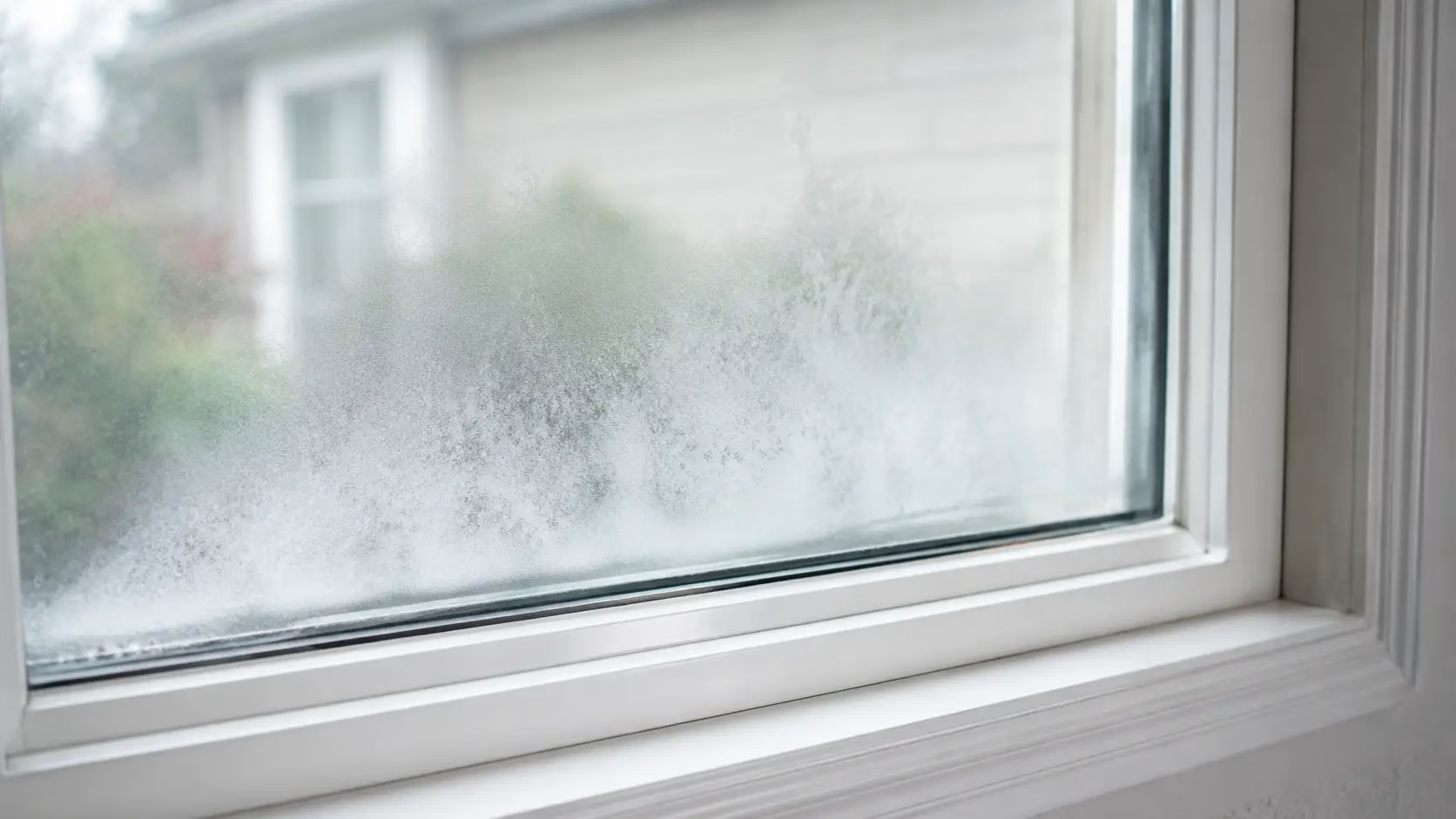
Some window condensation is about the room. Some is about the glass unit itself. Knowing the difference can save you from replacing more than you actually need.
What does condensation between panes mean?
If window condensation is trapped between two panes of glass, the sealed insulated unit has likely failed. That moisture cannot be wiped from inside the room because it is inside the glazing cavity, not on the exposed surface.
This is the point where a humidity fix usually will not solve the problem. In many cases, the frame can stay and only the insulated glass unit needs to be replaced, especially if the sash is operating well and the surrounding frame is still square and sound.
If that sounds like your situation, Zenith’s guide on fogged double-pane glass windows is worth reviewing, and the company’s insulated glass service page is the most relevant next step for actual replacement options.
Should you replace the glass or the whole window?
For recurring window condensation, the honest answer is: it depends on what failed. Replace only the glass when the insulated unit is the problem but the frame, sash, and operation are still in good shape. Replace the whole window when the frame is rotted, badly leaking, warped, or outdated enough that the full assembly is underperforming.
Here is a simple rule of thumb:
- Glass-only replacement often makes sense when the issue is haze between panes, mild seal failure, or one damaged unit in an otherwise healthy frame.
- Full-window replacement often makes sense when you also have frame decay, air leakage around the opening, repeated operation issues, or multiple failing units in an older assembly.
- A site inspection is the safest move when you are unsure whether the problem is humidity, seal failure, or the full window system.
If energy performance is part of your concern, Zenith’s window U-value guide helps explain why two windows that look similar on the surface can perform very differently in day-to-day comfort.
Common Mistakes That Keep Window Condensation Coming Back
A lot of homeowners “fix” window condensation without solving it. The result is that the glass looks better for a day, then the same moisture returns after the next shower, cooking session, or cold night.
Can I just wipe it away and ignore it?
You can wipe away light surface moisture. You should not ignore repeated window condensation if it is soaking the sill, staining trim, or showing up between panes. The moisture itself is the symptom. The goal is to fix the reason it keeps returning.
The biggest mistakes are waiting too long, assuming all window condensation means “bad windows,” and replacing an entire unit before checking whether the insulated glass alone is the failed component. Another common mistake is focusing only on the glass and forgetting the room. Humidity, airflow, blinds, fans, and occupant habits all matter.
There is also a seasonal trap. In the GTA, homeowners often notice window condensation when temperatures swing suddenly. That does not always mean a major defect appeared overnight. It may simply mean the house is holding more indoor moisture than the glass can handle under those conditions.
When Window Condensation Keeps Coming Back, Get a Professional Glass Assessment

If window condensation is occasional and light, a humidity and ventilation adjustment may be enough. If it is recurring, trapped between panes, or already affecting paint, trim, or comfort, it is time for a closer look.
Zenith Glass already works across the GTA for residential window glass, insulated units, storefront systems, glass railings, and office glass, with active local coverage pages such as Toronto glass repair and the broader service areas directory. If you want a practical diagnosis before spending money on the wrong fix, start with the most relevant service pages, then contact Zenith Glass for a professional assessment of the glass, frame, and overall window condition.
That way, you can tell whether your window condensation needs better moisture control, insulated glass replacement, or a larger window upgrade—and make the next decision with confidence instead of guesswork.