
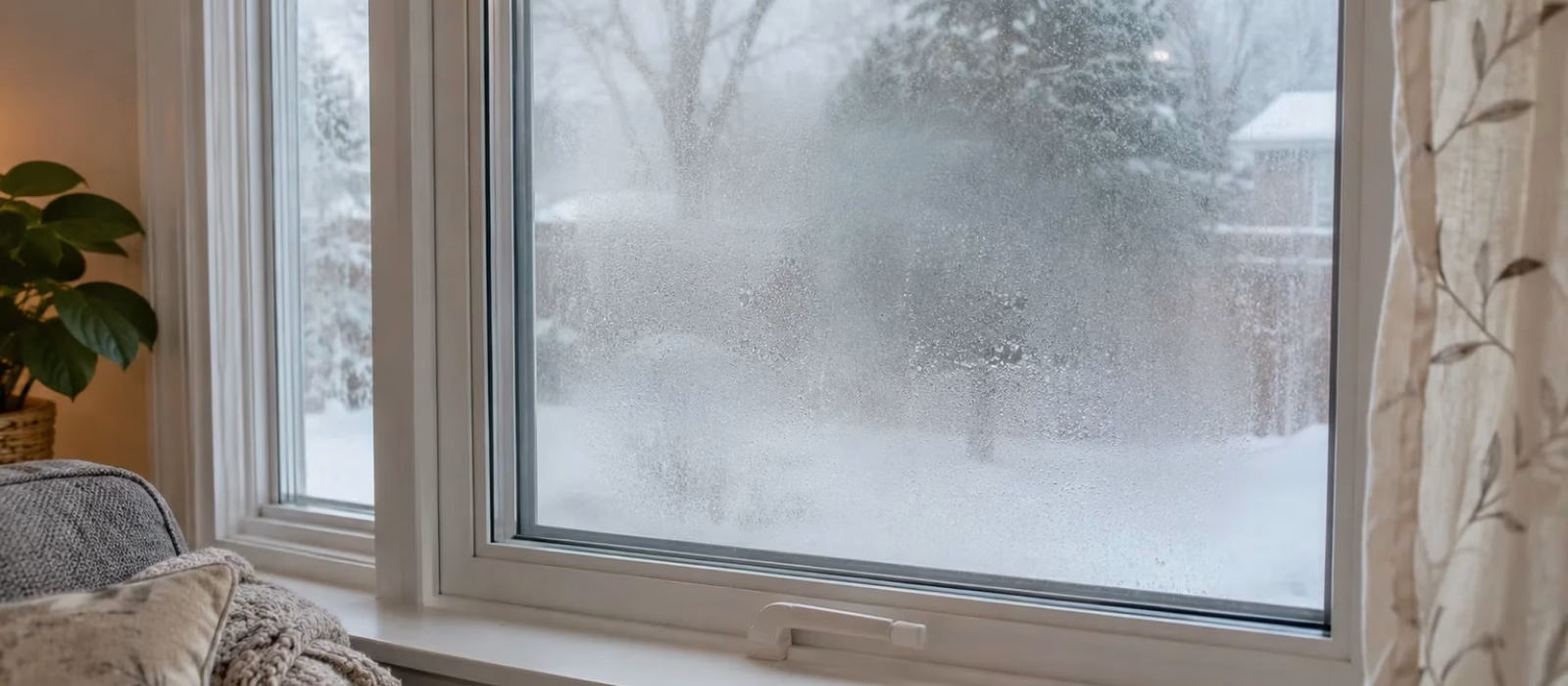
A broken window seal shows up in one of two ways. Either the glass turns foggy or hazy between the panes, or cold air leaks in around the sash when the wind picks up. Both are called “window seals”, but they’re different parts of the window with different fixes, and winter makes both easier to spot.
This guide explains the difference, lists seven signs to check for, compares the two side by side, and shows when replacing only the sealed glass unit is enough. If you already see fog between the panes, Zenith replaces insulated glass units for homes across Toronto and the GTA.
Two Different Window Seals: the Glass Seal and the Draft Seal
Most modern windows have two kinds of seal, and they fail for different reasons.
The glass seal (the insulated glass unit)
Double- and triple-pane windows use a sealed insulated glass unit, often called an IGU. Two or more panes are held apart by a spacer bar around the edge. The spacer contains a desiccant that keeps the space between the panes dry, and a perimeter sealant closes the unit. Many units are also filled with argon or krypton gas and have a Low-E coating on one of the inner surfaces. When people search for a “broken window seal”, they usually mean this edge seal has failed and moist air has got into the unit.
The draft seal (weatherstripping and caulking)
The second kind of seal stops air moving around the glass rather than through it. Natural Resources Canada’s Keeping the Heat In guide explains that weatherstripping creates a seal between the frame and the window sash, and that a continuous bead of caulk around the window trim reduces air leakage. These are the seals people mean when they look up how to seal a window for winter.
7 Signs of a Broken Window Seal
The first four signs point to the glass seal. The last three point to weatherstripping or caulking.
- Fog or haze between the panes. You wipe both sides of the glass and the cloudiness is still there, because it’s inside the unit.
- Condensation that comes and goes. Moisture between the panes often appears on cold mornings or when the sun hits the glass, then fades for a while. A failed seal can look fine one day and foggy the next.
- White film, streaks or spots inside the glass. Repeated wetting and drying leaves mineral residue on the inner surfaces, and it can’t be cleaned from outside the unit.
- One pane that feels colder than the rest. On a cold day, a unit that has lost its seal can feel noticeably colder to the touch than similar windows in the same room.
- A draft you can feel or see. Hold a strip of tissue or a lit incense stick near the sash edges on a windy day. Movement or smoke drifting sideways shows where air is getting through.
- Daylight or frost around the sash. Light showing between the sash and frame, or frost building along the edges, usually means worn or missing weatherstripping.
- Cracked, gapped or missing caulking. Check the joint between the window frame and the interior trim, and outside where the frame meets the wall.
One exception: if you have a storm window or a non-sealed double sash, moisture between those two layers isn’t a broken glass seal. Keeping the Heat In explains that it forms when moist house air leaks past the inner pane, so weatherstripping the inner sash is the usual fix.
Glass Seal vs Draft Seal: How to Tell Them Apart
| Check | Failed glass seal (sealed unit) | Worn draft seal (weatherstripping or caulking) |
|---|---|---|
| Where you see it | Fog, droplets or film between the panes | Drafts, light or frost around the sash and frame |
| Wipe test | Moisture stays after you wipe both sides | Any condensation is on the room-side surface and wipes off |
| Tissue or incense test | Usually no air movement | Tissue flutters or smoke drifts at the leak |
| What it affects | The view, and the insulating value of the glass | Comfort, heating costs and condensation risk |
| Usual fix | Replace the insulated glass unit | New weatherstripping, fresh caulking or sash adjustment |
| Who fixes it | A glass shop that makes or orders sealed units | Often a homeowner job; a window or glass company if the sash is damaged |
Not sure which you’re dealing with? Our guide to window condensation explains what moisture on the room side, between the panes and on the frame each means.
What Causes Window Seals to Fail
Every seal wears out eventually. These are the most common reasons it happens sooner.
Glass seals
- Age. The edge sealant slowly breaks down, and the desiccant can only absorb so much moisture before it’s saturated.
- Heat and cold cycles. The gas between the panes expands and contracts with the temperature, which flexes the edge seal day after day. South- and west-facing glass takes the most sun.
- Water sitting against the edge. If the frame’s drainage is blocked or the glazing seals are worn, water can sit against the bottom of the unit and attack the sealant.
- Installation and frame movement. A unit that isn’t supported properly in the frame, or a frame that shifts, puts stress on the corners.
Draft seals
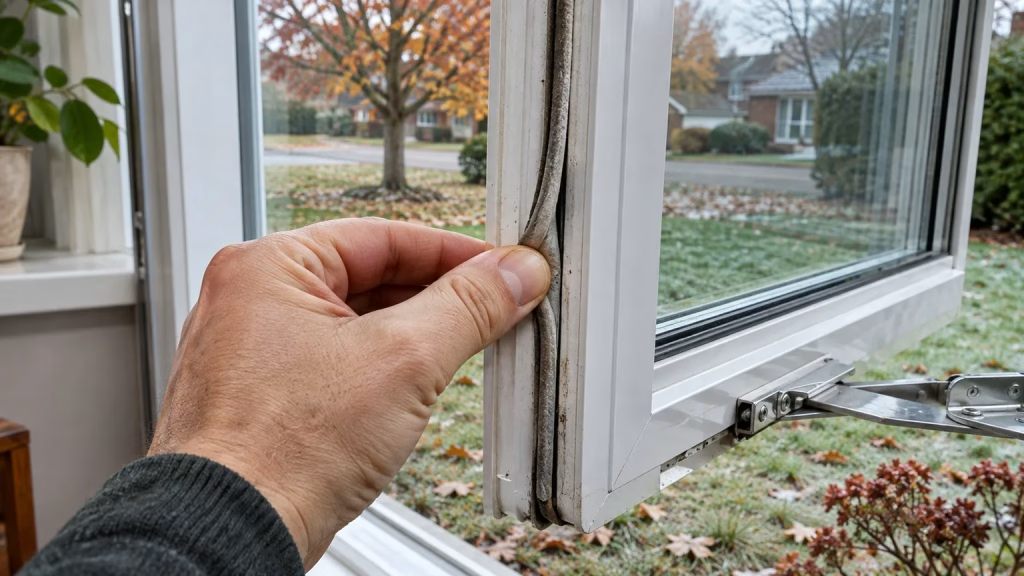
Weatherstripping flattens and hardens after years of opening and closing, gets painted over or tears at the corners. Caulking shrinks, cracks and pulls away as the house settles and the seasons change. These seals are meant to be renewed from time to time.
Can a Broken Window Seal Be Repaired?
A worn draft seal can almost always be repaired: new weatherstripping and new caulking restore it. A failed glass seal is different. Natural Resources Canada’s page on window condensation says that when condensation forms between the panes because the seal is broken, you should replace the insulated glass unit.
Defogging services exist, and some drill and dry the unit to clear the haze. Keeping the Heat In calls refurbishing a failed sealed unit a temporary fix that won’t give you the original energy efficiency. It also suggests checking whether the window is still under warranty before you pay for anything, because many sealed units carry a manufacturer warranty against seal failure. Our older article on fogged double-pane windows covers the defogging options in more detail.
Replace the Sealed Unit, Not the Whole Window
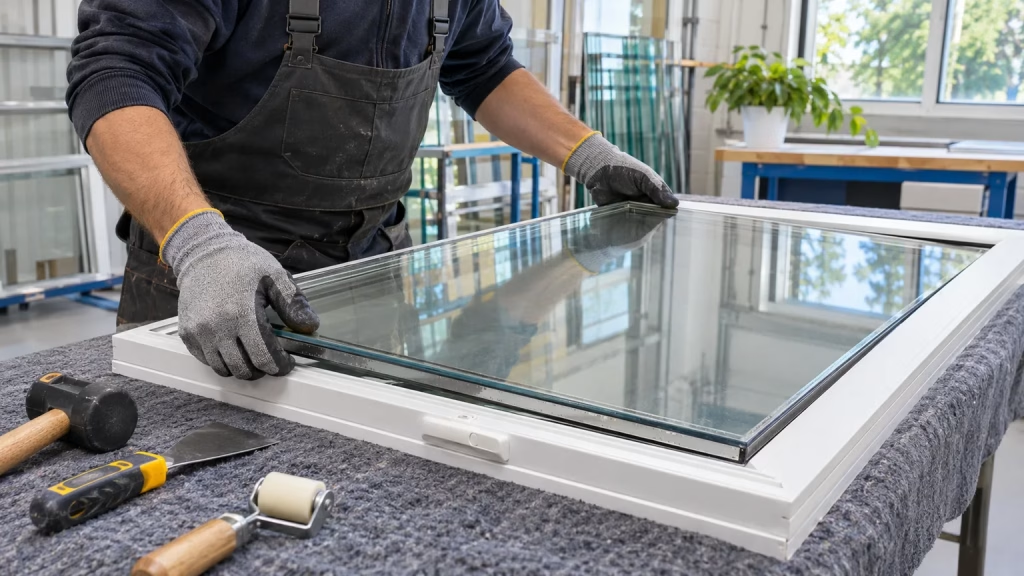
A failed glass seal rarely means you need a new window. In most cases the frame and sash stay in place and only the insulated glass unit is replaced. The new unit is built to the size of the opening and glazed back into the existing sash, so there’s no interior or exterior trim work. If you’re comparing quotes, our guide to window glass replacement cost explains what changes the price.
When the whole window makes more sense
- The frame or sash is rotten, warped or cracked.
- The window no longer opens, locks or closes properly.
- Several units in the same window have failed and the window is near the end of its life anyway.
- The window is single-pane and you want a full energy upgrade.
Upgrade the glass while you’re at it
A replacement unit doesn’t have to match the old one. You can ask about a Low-E coating, argon gas fill and warm-edge spacers, which keep the edge of the glass warmer and less prone to condensation. Where the sash allows it, triple pane windows add a second gas space for quieter, warmer rooms. Natural Resources Canada says windows, doors and skylights can account for up to 35 percent of total house heat loss, so better glass is worth a conversation.
Winter Window Seal Checklist
Go through your windows on a cold, windy day, when leaks and failed units are easiest to find.
- Look through every unit at an angle. Note any fog, droplets or film between the panes, and which window it’s in.
- Run the tissue test. Move a tissue or incense stick slowly around each sash and frame joint.
- Caulk the trim, weatherstrip the sash. Keeping the Heat In recommends a continuous bead of caulk around the window trim where it meets the wall. Moving sashes need weatherstripping instead; only caulk a window shut if it’s never needed for ventilation or as an emergency exit.
- Replace flattened weatherstripping. The same guide advises choosing products that are flexible and spring back to their original shape quickly. If the old strip stays squashed when you press it, it isn’t sealing.
- Keep drainage clear. Clear debris from frame tracks and keep any weep holes in storm windows open so water can drain.
- Watch indoor humidity. Heavy condensation on the room side every morning is often a humidity and ventilation issue, not a failed seal.
When to Call a Glass Shop
Weatherstripping and caulking are usually DIY jobs. Call a glass professional when:
- Fog or film stays between the panes after you’ve wiped both sides.
- A pane is cracked. A crack in one pane of a sealed unit lets moist air in as well, so the whole unit usually needs replacing.
- Several windows have started fogging at around the same time.
- The glass is large, a patio door or an unusual shape, which is harder to handle safely.
Before you call, take a clear photo of each affected window from inside and outside, and note which room and wall it’s on. Some sealed units have printing on the spacer bar inside the glass, and a photo of it can help identify the unit and any warranty. Leave the final measuring to the installer: the replacement unit has to match the glass size, not the visible opening.
Fix a Broken Window Seal With Zenith Glass
Zenith Glass & Mirror provides residential glass repair and replacement for foggy, cracked and broken window glass, and replaces insulated glass units in double- and triple-pane windows, patio doors and French doors. We work with homeowners across Toronto and the GTA, including North York, Richmond Hill, Brampton, Hamilton, Milton and Guelph.
Send photos of the foggy or drafty windows and the rough size of each one, then request a free quote.