
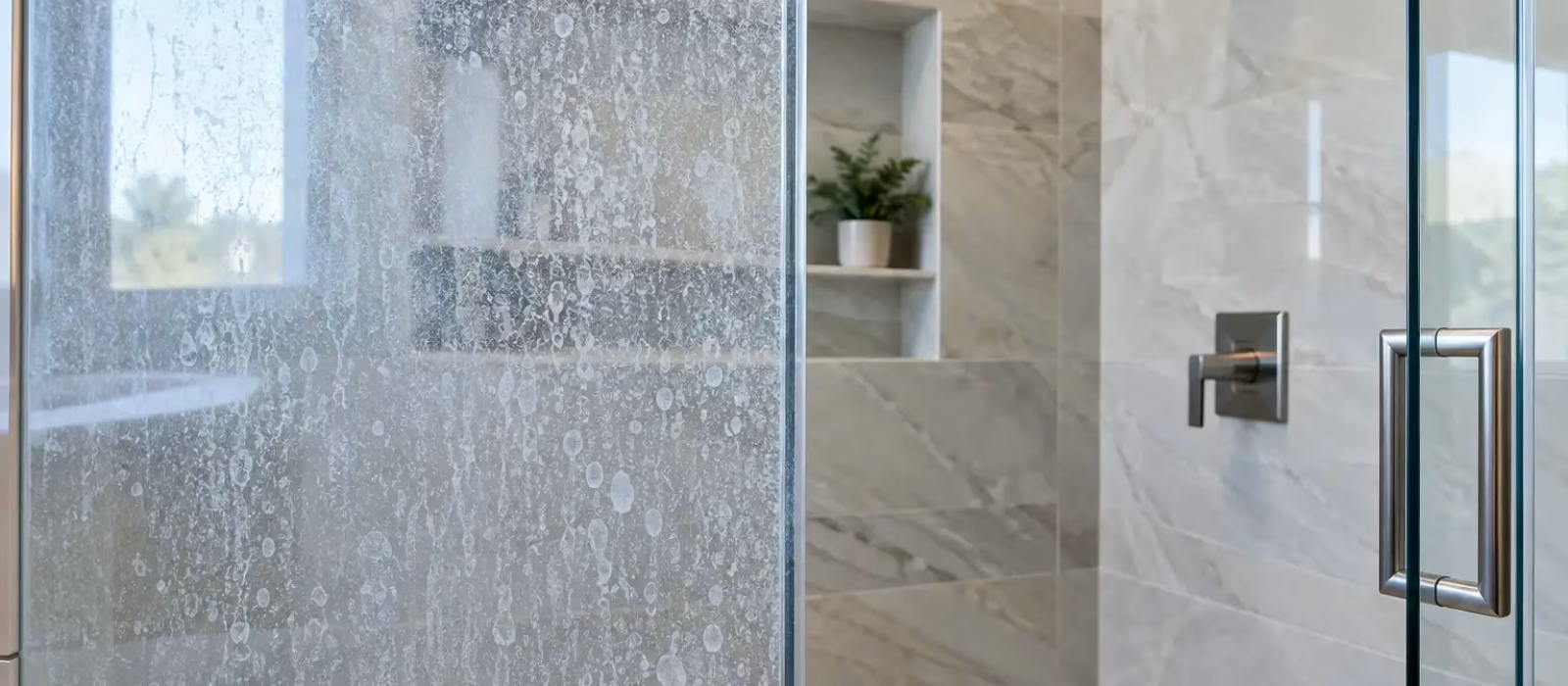
Hard water stains on glass can turn a clear shower enclosure cloudy even when the bathroom is otherwise spotless. The white dots, chalky film, and dull haze usually come from dissolved minerals left behind after water droplets evaporate. The sooner you remove the deposits gently, the better your chance of restoring clarity without scratching or damaging the surface.
This matters especially on modern frameless shower doors, where a large clear panel is a major visual feature. Hard water stains on glass are usually a maintenance problem first, but persistent haze can also hide scratches, coating damage, or surface etching that cleaning will not reverse.
What Hard Water Stains on Glass Actually Are
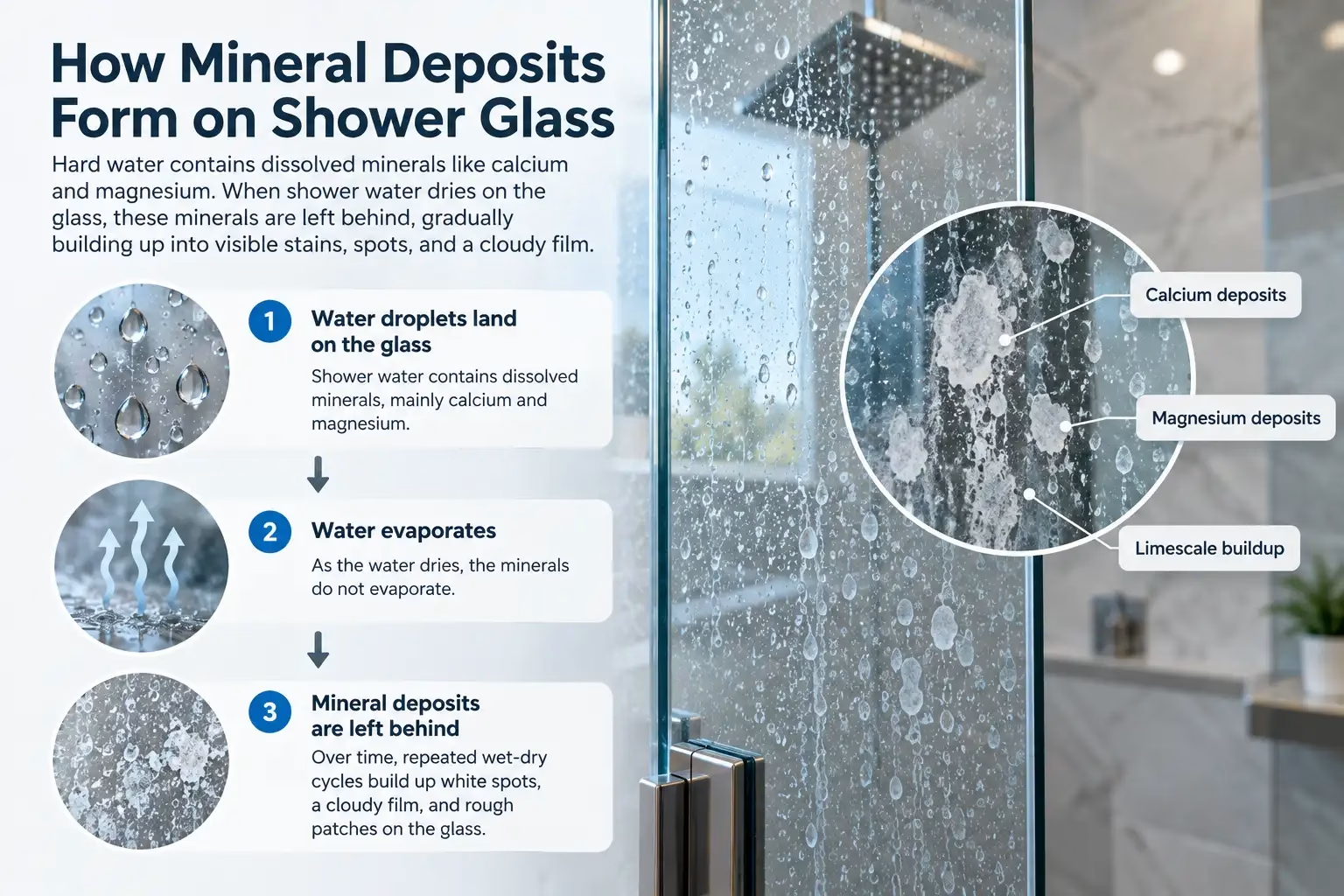
Health Canada defines water hardness mainly by the amount of dissolved calcium and magnesium in water. When shower water lands on glass and dries, some of those dissolved minerals stay behind. Repeated wet-dry cycles can build a visible deposit, especially near the bottom of the door, around handles, and along areas that do not get squeegeed.
That is why hard water stains on glass often appear as white spotting, a milky film, or rough-feeling patches. Soap, shampoo, body oils, and cleaning-product residue can sit on top of the mineral layer and make the glass look even cloudier.
The City of Toronto’s tap-water guidance says Toronto water contains relatively low levels of hardness minerals and notes that mineral deposits on fixtures can be removed with vinegar or a commercial hardness remover. Water conditions can differ across the GTA, so the speed of buildup may vary from one property to another.
Are hard water spots the same as soap scum?
No. Soap scum is a residue created by soap, body oils, and minerals, while mineral scale is left when hard water evaporates. On a shower door, the two often build up together.
If the glass feels greasy or streaky as well as chalky, remove ordinary soap residue first. Hard water stains on glass are easier to treat when the cleaner can contact the mineral layer directly.
Diagnose the Cloudiness Before You Scrub
Not every cloudy shower panel needs the same treatment. Before trying stronger products, identify what you are looking at.
| What you see | Likely issue | Best first step |
|---|---|---|
| White dots that feel slightly rough | Mineral deposits | Mild descaling method |
| Greasy film or streaks | Soap and body-product residue | Non-abrasive bathroom cleaner |
| Haze that improves when wet but returns when dry | Mineral film | Descale, rinse, and dry |
| Fine lines visible in angled light | Scratches | Stop aggressive scrubbing |
| Cloudiness that does not change after cleaning | Possible etching or surface damage | Professional assessment |
| Water escaping around the enclosure | Seal, sweep, alignment, or layout issue | Diagnose the leak separately |
Hard water stains on glass usually sit on the surface at first. The longer deposits remain, however, the harder they can be to remove safely. If you cannot tell whether you are seeing residue or damage, test a small inconspicuous area before working on the entire panel.
Can hard water stains become permanent?
Some cloudiness can remain even after deposits are removed. Minerals, repeated abrasive cleaning, unsuitable chemicals, or long-term surface wear can leave the glass etched or microscopically damaged.
A useful test is to clean a small section with a glass-safe method, rinse it completely, and inspect it when dry. If the rough deposit is gone but a dull patch remains, more scrubbing may make the appearance worse rather than better.
7 Proven Ways to Remove Hard Water Stains on Glass Safely
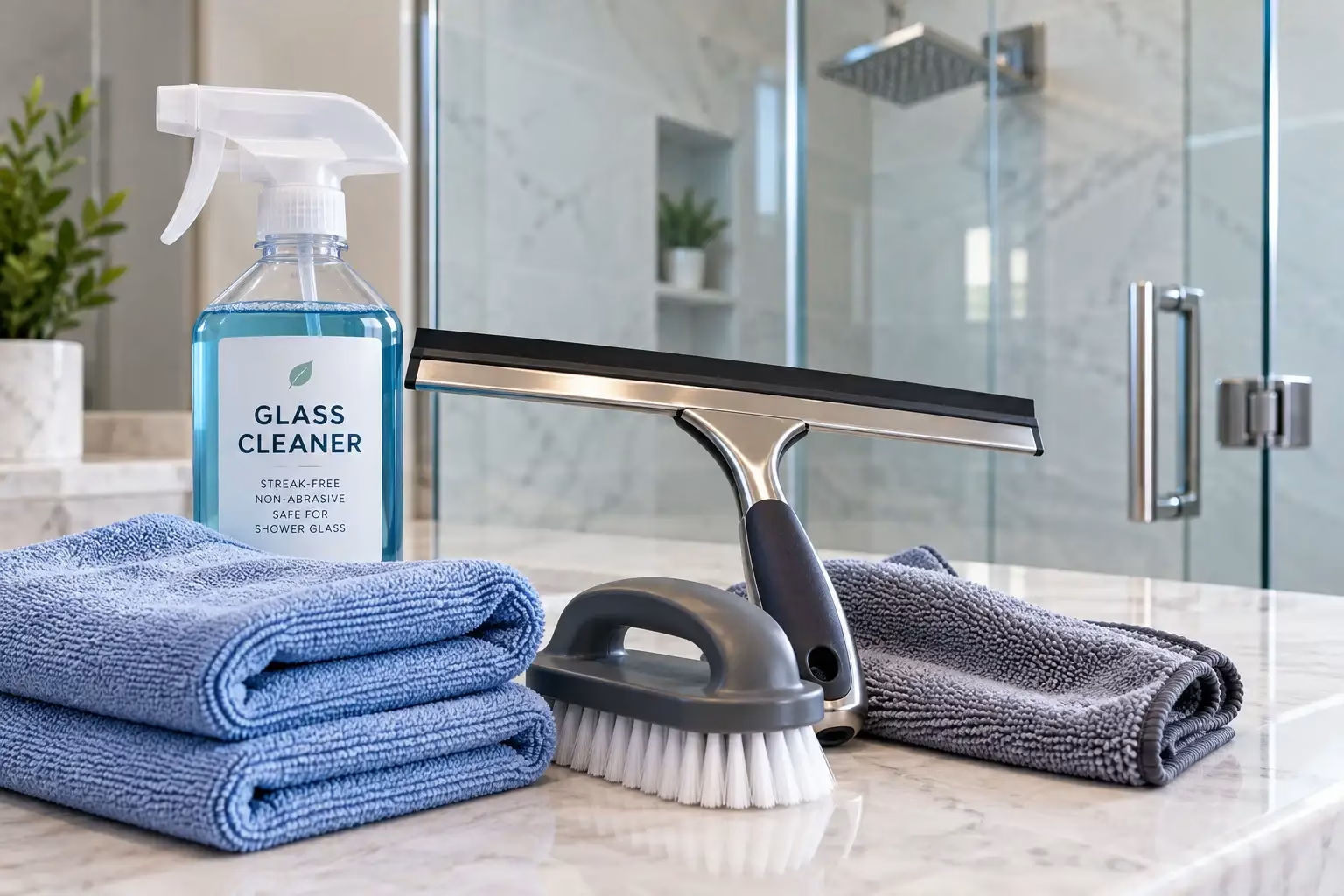
The safest approach is to start mild and increase only when needed. Hard water stains on glass do not justify jumping straight to the strongest cleaner in the cabinet.
1. Rinse away loose grit first
Before rubbing the glass, rinse it with clean water and wipe away loose dirt with a clean microfiber cloth. Grit trapped under a sponge can act like an abrasive.
This is a simple step, but it reduces the risk of turning a cleaning job into a scratched-glass problem.
2. Start with diluted white vinegar for light buildup
For ordinary mineral spotting, a mild vinegar solution is a practical first attempt if the shower-glass manufacturer and surrounding finishes allow it. Apply it to the affected glass, let it stay wet for several minutes, then wipe gently with microfiber.
Hard water stains on glass often loosen more effectively with contact time than with aggressive scrubbing. Keep acidic cleaner off natural-stone surfaces and sensitive metal finishes unless their manufacturer confirms it is safe.
3. Give the cleaner time to work
A common mistake is spraying and wiping immediately. Mineral scale needs time to soften.
For vertical shower glass, keep the affected area damp with the chosen glass-safe cleaner for a short dwell period rather than continuously adding force. Do not let cleaner dry on the surface.
4. Use a non-scratch pad, not an aggressive abrasive
If a microfiber cloth is not enough, use a pad specifically labeled non-scratch and safe for glass. Work a small area at a time with light pressure.
The National Glass Association’s guidance on cleaning architectural glass warns that improper cleaning can permanently damage glass and recommends avoiding abrasive materials in routine maintenance. That principle is especially useful for large shower panels where scratches become highly visible.
5. Step up to a commercial mineral remover only when needed
For heavier buildup, use a commercial calcium, lime, or mineral remover that is explicitly labeled safe for the glass and nearby finishes. Follow the product directions rather than making the solution stronger or leaving it on longer than instructed.
Hard water stains on glass can vary from a light film to dense layered scale. The goal is to dissolve the deposit with the least aggressive method that works.
6. Clean carefully around hinges, channels, and seals
Mineral deposits often collect where water sits longest: around hinge plates, bottom sweeps, U-channels, handles, and silicone joints. Use a soft detailing brush or cloth where appropriate instead of forcing abrasive tools into tight spaces.
If water is also escaping from the enclosure, cleaning is only part of the problem. Zenith’s guide to common shower door leaks explains how sweeps, seals, alignment, spray direction, and threshold slope can create separate leakage issues.
7. Rinse completely and dry the glass
After the deposits release, rinse away cleaner and residue with clean water. Dry the glass with a fresh microfiber cloth or squeegee so another layer of spots does not form immediately.
This final step is what makes hard water stains on glass easier to control long term: remove the minerals, then stop fresh droplets from drying in place.
Can vinegar remove hard water stains on glass?
Yes, vinegar can help with light mineral deposits because it is acidic, but it is not the right choice for every surrounding material or every type of coating. Use it only when it is compatible with the glass and nearby finishes.
For thick, old scale, a purpose-made glass-safe mineral remover may work better. If repeated mild cleaning does not change the haze, stop escalating and consider whether the surface is etched or damaged.
What cleaning products should never be mixed?
Never mix household cleaning products together. Health Canada’s household chemical safety guidance specifically warns against mixing bleach with other cleaners, including acids such as vinegar, because dangerous gases can be produced.
Use one product at a time, follow its label, ventilate the bathroom, rinse thoroughly between products, and keep children and pets away from the cleaning area.
How to Prevent Hard Water Stains on Glass From Coming Back
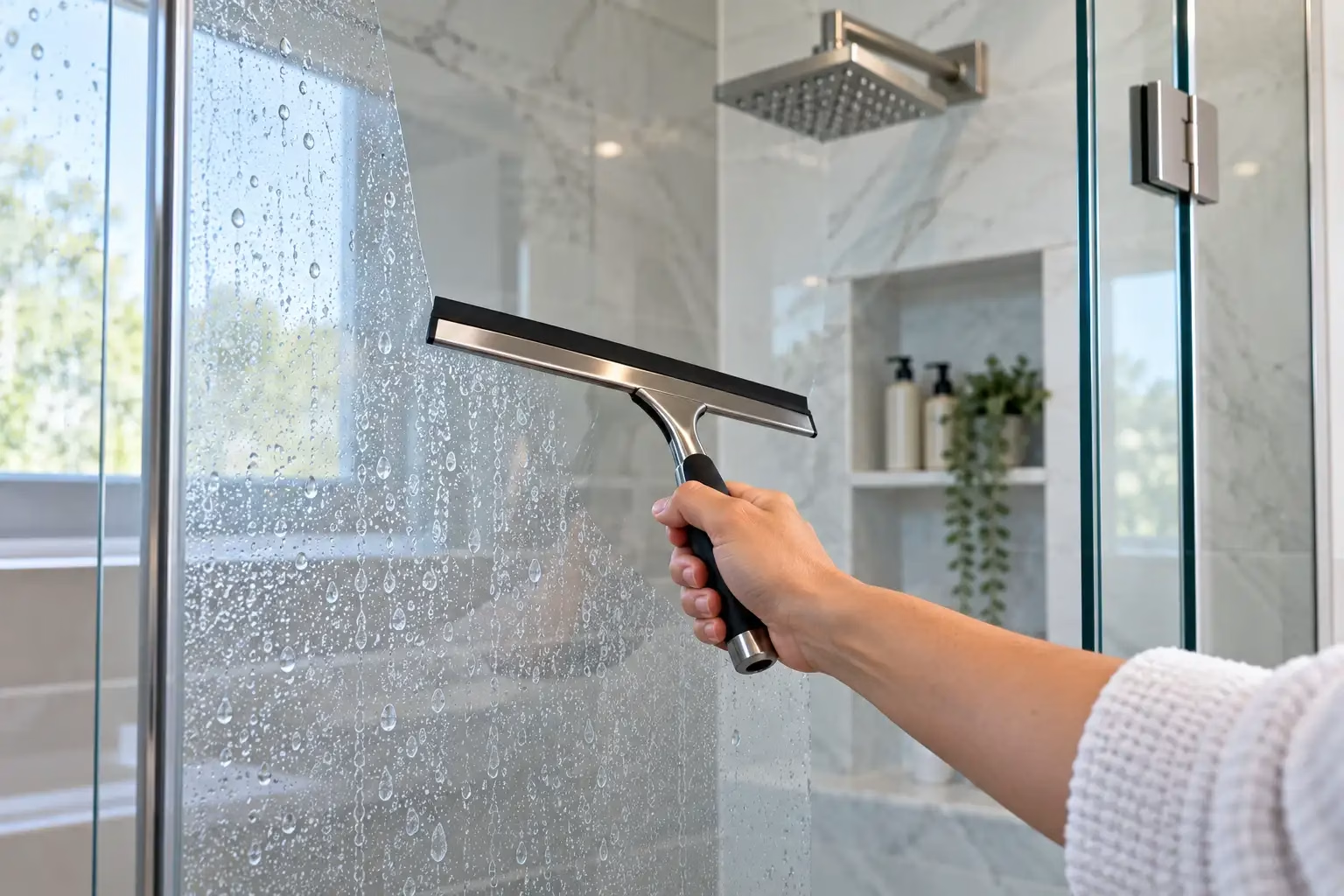
Prevention is much easier than removing months of buildup. Hard water stains on glass form because droplets are allowed to dry repeatedly, so the best routine focuses on getting water off the panel quickly.
Use a squeegee after the last shower of the day. It takes less than a minute and removes most of the droplets that would otherwise leave minerals behind. Wipe the bottom edge and hardware with a soft cloth so water does not sit around seals and fittings.
Zenith’s broader glass maintenance checklist recommends gentle, consistent cleaning instead of waiting until residue becomes difficult to remove. That same approach works well for shower enclosures.
How often should you clean shower glass?
For a frequently used shower, a quick squeegee after use and a gentle weekly cleaning is a practical starting point. Homes with faster mineral buildup may need more frequent attention.
The key is consistency. Hard water stains on glass are much easier to remove when they are a light film instead of several hardened layers.
Do water-repellent coatings stop hard water stains?
A compatible protective coating can reduce how strongly water and residue stick to the surface, but it does not make the glass maintenance-free. You still need to squeegee, clean gently, and follow the coating manufacturer’s care instructions.
Hard water stains on glass can still appear if droplets repeatedly dry on a treated panel, especially around uncoated edges, hardware, and high-splash zones.
Avoid These Common Shower-Glass Cleaning Mistakes
More force is not always better. When hard water stains on glass are stubborn, the wrong tool can create permanent scratches before the mineral layer is fully removed.
Avoid steel wool, scouring powders, dirty sponges, and aggressive abrasive pads. Be cautious with razor blades or scrapers unless the glass manufacturer or fabricator specifically approves the method for that surface. Tempered, coated, or previously damaged glass can require different care.
Do not let strong cleaners sit on metal hardware, silicone, grout, stone, or other nearby materials longer than the product label allows. And never mix cleaners in an attempt to create a “stronger” solution.
Can you use a razor blade on shower glass?
A scraper can damage some glass surfaces or coatings, and it can drag trapped grit across the panel. For routine homeowner maintenance, a non-abrasive method is the safer default.
If hard water stains on glass are severe enough that you are considering blades, power polishing, or strong acids, that is a good point to get professional advice before risking irreversible damage.
When Cleaning Is No Longer the Right Solution
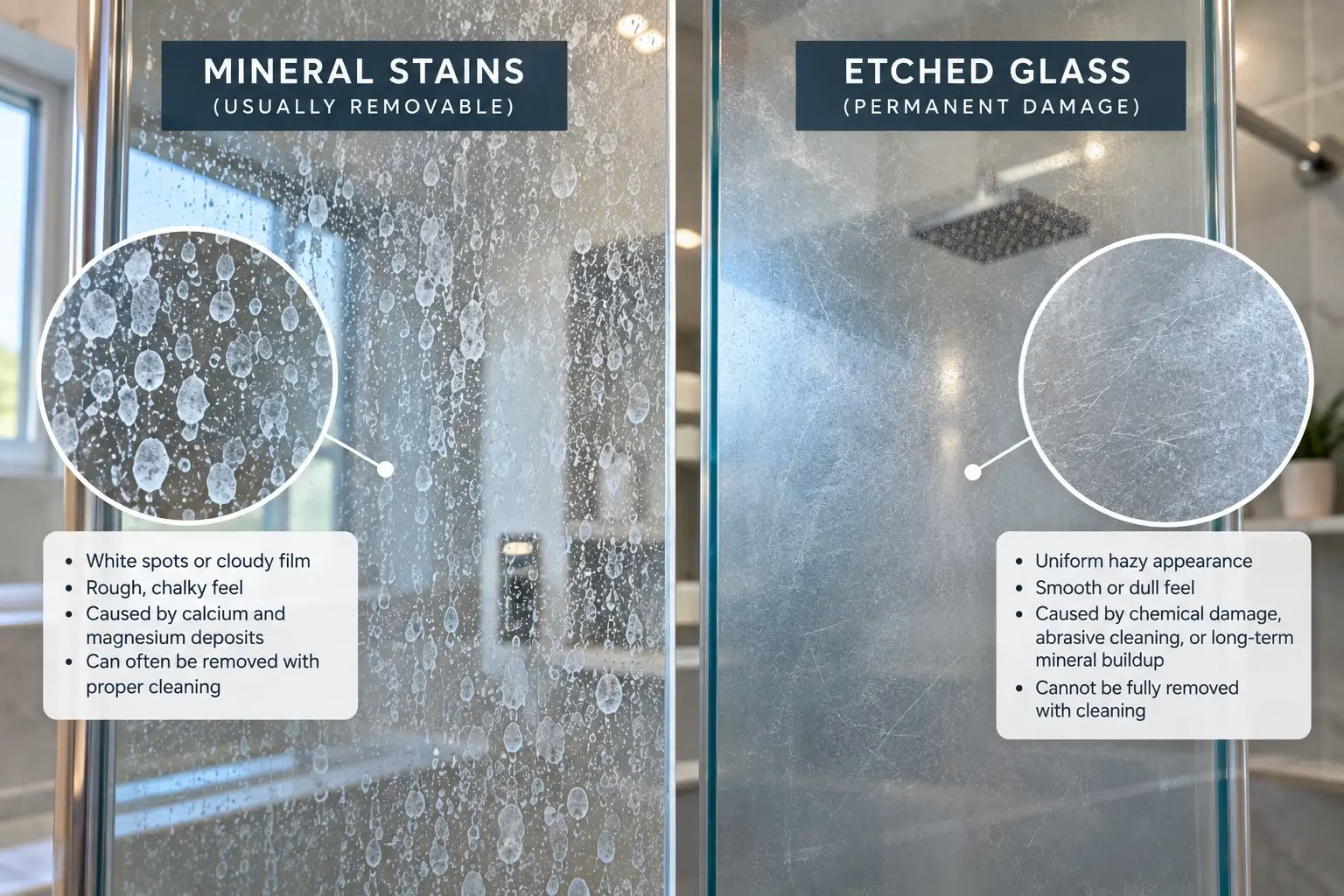
Sometimes the deposit is not the only problem. If a shower panel remains cloudy after a careful descaling attempt, the glass may be etched, scratched, coated, or otherwise damaged.
Other warning signs include chips at an exposed edge, a door that rubs or sags, loose hinges, recurring leaks, cracked silicone joints, or glass that feels unstable. These issues should not be treated as cleaning problems.
Zenith’s residential glass repair and replacement services cover shower enclosures along with other household glass. If replacement is being considered, the existing panel, hardware, opening, and surrounding finishes should be assessed together rather than choosing glass by appearance alone.
Should cloudy shower glass be replaced?
Not automatically. If hard water stains on glass are still sitting on the surface, cleaning may restore the panel. Replacement becomes more reasonable when the cloudiness is permanent, the glass is deeply scratched or chipped, hardware problems are stressing the panel, or the enclosure no longer performs properly.
A professional assessment can help separate cosmetic buildup from damage that cleaning cannot fix.
A Simple 10-Minute Routine for Clearer Shower Glass
A repeatable routine prevents the cycle from starting over:
- Squeegee the panel after the last shower of the day.
- Wipe the bottom edge, handle, and hardware so water does not sit overnight.
- Once a week, use a mild non-abrasive cleaner that is compatible with the glass and surrounding finishes.
- Inspect for new hard water stains on glass, seal wear, loose hardware, or leaking.
- Treat light mineral spots early instead of waiting for a thick cloudy film.
This routine is intentionally simple. The best maintenance plan is one you will actually keep doing.
Get Help With Hard Water Stains on Glass and Shower Damage
Hard water stains on glass are usually manageable when the mineral buildup is caught early and cleaned with the right tools. The important distinction is knowing when you are dealing with removable residue and when the glass itself has become scratched, etched, chipped, misaligned, or otherwise damaged.
If you are planning a new enclosure or need help evaluating an older one, browse Zenith’s completed glass projects and service areas across the GTA. For a specific shower-glass problem, you can contact Zenith Glass & Mirror to discuss whether cleaning, adjustment, repair, or replacement makes the most sense for the panel and enclosure.