
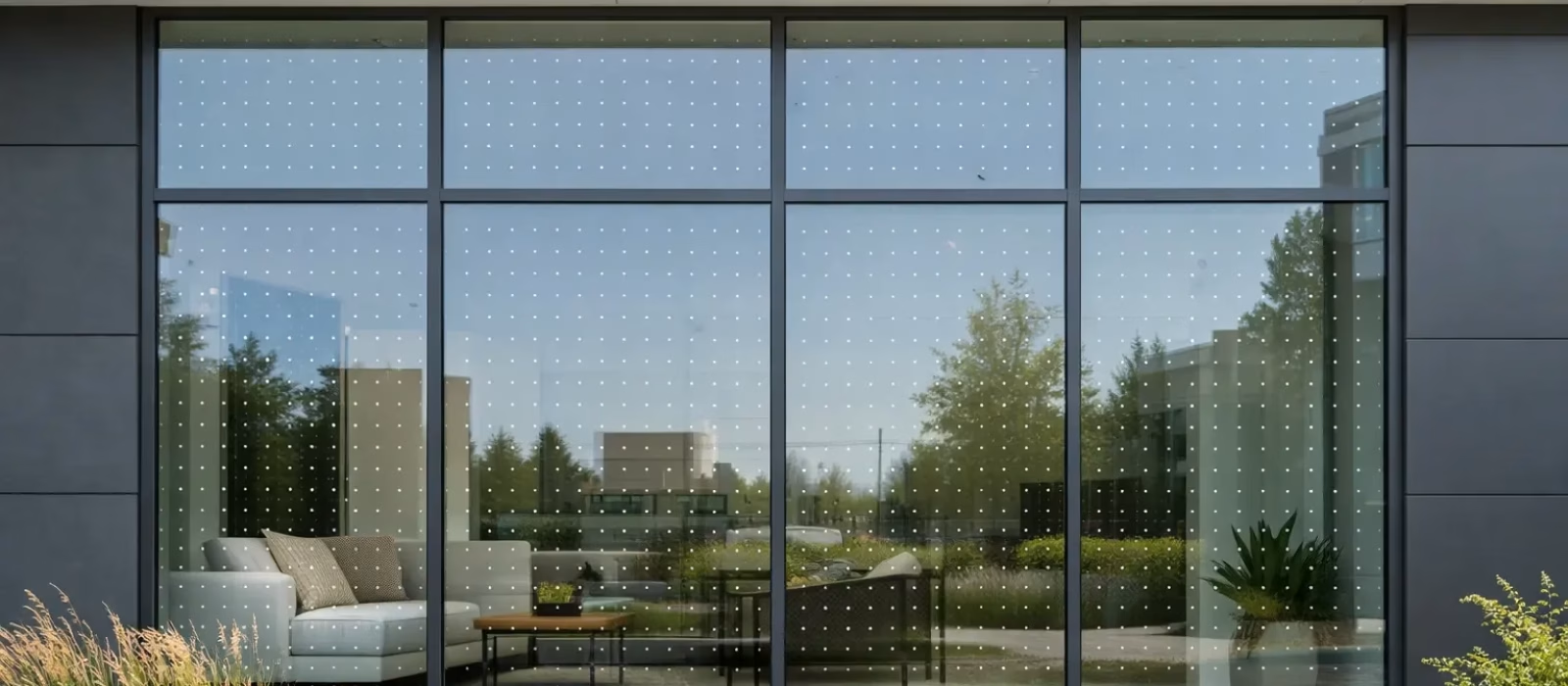
Bird-safe glass is one of the most effective ways to reduce bird strikes on home and commercial windows without giving up modern design, daylight, or clean views.
For many property owners, this issue stays invisible until they see the first collision. A bird hits a picture window at home. A storefront has repeated strikes near landscaping. An office entrance with clear corner glazing becomes a problem every spring and fall. Once it starts happening, the same question usually follows: what can actually fix it without making the building look heavy or closed in?
That is where bird-safe glass becomes important. It gives birds a visual signal that the surface is there, while still allowing a space to feel open, bright, and contemporary.
If you have already been researching different glazing options, Zenith’s guide on choosing the right glass for your space is a useful starting point. But if your goal is specifically to reduce window collisions, bird-safe glass deserves its own closer look.
Why Do Birds Hit Windows in the First Place?
Birds do not read glass the way humans do.
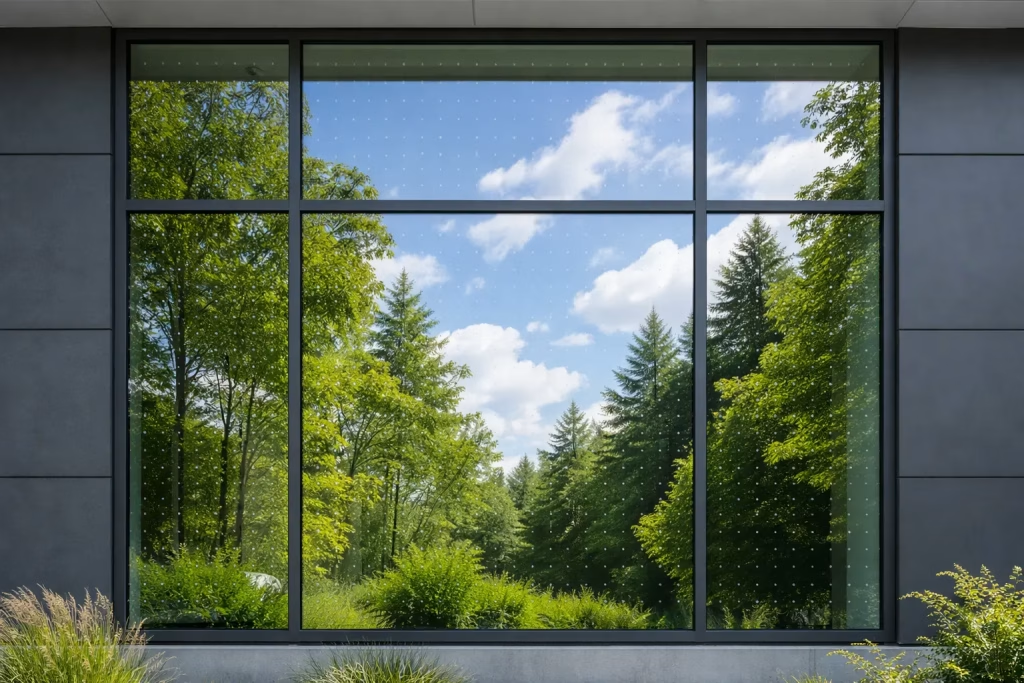
They often see reflections of trees, clouds, or sky and interpret those reflections as open air. In other cases, they can see straight through a building corner, glass link, balcony divider, or lobby window and assume there is a clear flight path.
That is why collisions happen in both residential and commercial settings. A house with large backyard-facing windows can be risky. So can a landscaped storefront, a glass-heavy office entrance, or a building with transparent corners.
Bird-safe glass works by interrupting that illusion. Instead of appearing invisible, the surface becomes readable to birds.
Is this only a downtown high-rise problem?
Not at all.
Large towers get attention, but detached homes, townhouses, schools, offices, retail units, and low-rise commercial buildings can all create collision risks. In fact, many homeowners first discover the issue on patio doors, corner windows, or broad panes facing gardens and trees.
That means bird-safe glass is not just a specialty product for major developments. It can also be a practical choice for home upgrades, storefront replacements, and targeted retrofits.
What Bird-Safe Glass Actually Does
Bird-safe glass is glazing that includes visual cues birds can detect, helping them recognize the surface as a barrier rather than open air.
Those cues may come from:
- ceramic frit patterns
- etched or textured surfaces
- embedded visual markers
- exterior-applied films or tapes
- certain specialty coatings designed for bird collision deterrence
The goal is simple: keep the window visually comfortable for people while making it far more legible to birds.
This is also where many people confuse bird-safe glass with privacy glass. Products like frosted glass can help in some settings because they reduce transparency and reflections, but privacy glass and bird-safe glass are not automatically the same thing. Bird-safe glass is chosen specifically to reduce collision risk.
Where Bird-Safe Glass Matters Most
Not every pane on a property carries the same level of risk. Bird-safe glass tends to matter most in the areas birds are most likely to misread.
1. Large residential picture windows
Big uninterrupted panes create strong reflections of sky, trees, and landscaping. Homes near ravines, mature trees, feeders, or gardens are especially common trouble spots.
2. Sliding doors and backyard glazing
Patio doors are frequent collision points because they combine transparency, reflection, and direct access to landscaped areas.
3. Storefronts near planters or street trees
If you manage a retail unit, restaurant, or street-facing business, the window that looks attractive to customers may also be reflecting the exact greenery birds are flying toward. This is one reason bird-safe glass is worth considering alongside commercial storefront glass upgrades.
4. Office entrances and glazed corners
Bird-safe glass is especially useful for bright lobbies, corner glazing, and transparent office connections. Businesses already planning workspace improvements can also review Zenith’s glass office solutions when assessing where bird-collision risks and design goals overlap.
5. Railings, links, and clear dividers
Birds do not only hit windows. They can also collide with clear barriers and connectors if those surfaces appear invisible in flight. If a property uses exterior or open-view barriers, this should be reviewed alongside other glass elements such as glass railings.
Which Types of Bird-Safe Glass Work Best?
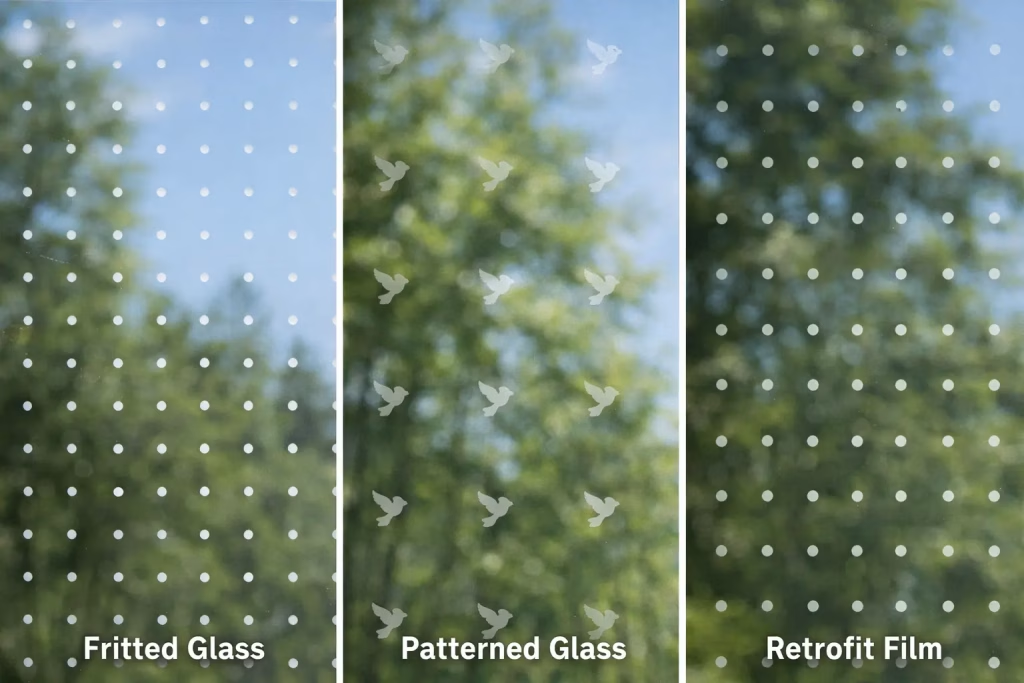
The best version of bird-safe glass depends on whether you are planning new construction, replacing failed glazing, or retrofitting existing windows.
| Option | Best for | Appearance | Typical use |
|---|---|---|---|
| Ceramic fritted glass | New builds and full replacements | Subtle dots, lines, or patterns | Storefronts, façades, large commercial glazing |
| Etched or textured glass | Design-driven spaces | Softer, decorative finish | Entries, stairwells, selected residential areas |
| Marker film or tape | Existing windows | Low-profile visual markers | Homes, offices, schools, retrofit projects |
| Specialty bird-friendly glazing systems | Higher-spec projects | Varies by manufacturer | Commercial and institutional applications |
A good bird-safe glass strategy is not only about the material itself. It is also about pattern spacing, placement, lighting, and what the glass reflects.
For GTA projects, the City of Toronto’s bird-friendly guidelines and the CSA A460 bird-friendly building design standard are valuable references for understanding what makes a glazing approach more effective.
Do retrofit films count as bird-safe glass?
Yes, in many cases they do.
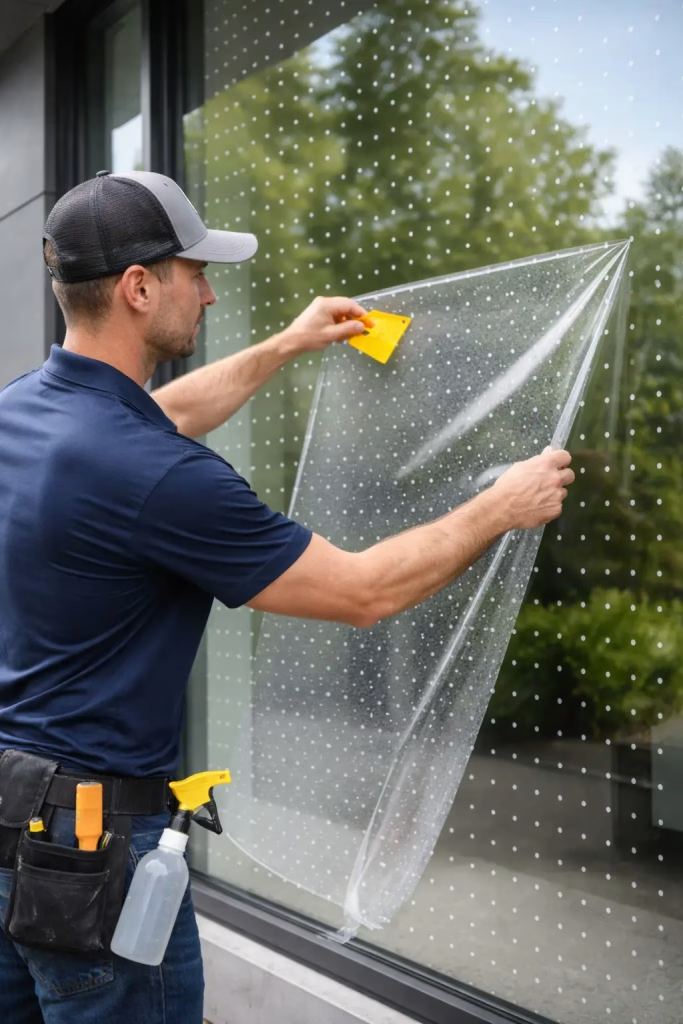
For existing buildings, exterior-applied collision deterrent films or markers are often the most practical way to create a bird-safe glass effect without replacing the entire unit. This is especially helpful when the glass is otherwise in good shape and the main problem is visibility to birds.
But one important detail matters: not every decorative decal setup works.
A single hawk silhouette in the middle of a large pane is rarely enough. Effective bird-safe glass treatments depend on consistent visual spacing across the surface. That is why many owners turn to guidance from FLAP Canada and BirdSafe window options before choosing a retrofit approach.
Will Bird-Safe Glass Ruin the View?
This is probably the biggest design concern, and it is understandable.
The short answer is no. Good bird-safe glass does not have to make a building look dark, cluttered, or overly industrial. In fact, many modern systems use subtle patterns that are readable to birds but visually light for people indoors.
That is why bird-safe glass is increasingly being specified on design-forward projects instead of being treated like a compromise product.
If a homeowner wants cleaner aesthetics, pattern scale and location can be tailored to the opening. If a business wants a more refined look, bird-safe glass can often be integrated into a broader glazing plan that also addresses durability, privacy, and energy performance.
For example:
- a residential project may combine bird-safe glass with upgraded insulated glass for better thermal performance
- a commercial entrance may pair bird-safe glass with safety considerations discussed in Zenith’s article on tempered vs. laminated glass
- a design-led renovation may use targeted patterned areas while keeping other glazing cleaner and more open
In other words, bird-safe glass works best when it is specified as part of the overall glazing strategy rather than added as an afterthought.
When To Retrofit and When To Replace With Bird-Safe Glass
This is where many owners need practical guidance.
Retrofit may be the better choice if:
- the current glass is in good condition
- collisions are happening in only one or two locations
- you want a faster and lower-disruption fix
- the property is occupied and you want to avoid major replacement work
- you need to test a bird-safe glass solution before expanding it to other elevations
Full replacement may be the better choice if:
- the glazing is already outdated
- the seal has failed
- there is fogging between panes
- the glass has visible cracks or edge damage
- a storefront or office façade is already being upgraded
- you want long-term bird-safe glass built into the unit itself
If your windows are already showing performance problems, it makes sense to solve both issues at once. Zenith’s posts on fogged double-pane glass windows, window stress cracks, and signs you need residential glass repair can help you tell whether a pane should be retrofitted or replaced.
Do you need to replace every window on the property?
Usually not.
A smarter approach is to prioritize the areas with the highest collision risk first. That often includes:
- windows facing trees or shrubs
- glass near feeders or water features
- transparent corners
- broad reflective façades
- low-rise storefront glazing near landscaping
- bright entry zones and lobby windows
Targeted upgrades can make a significant difference without turning bird-safe glass into a full-building project on day one.
Common Mistakes That Reduce Bird-Safe Glass Performance
Even a good product can underperform if the overall design is working against it.
Mistake 1: Treating only one small section of a much larger reflective area
Birds react to the whole visual field, not just the center of a pane. If only a narrow band is marked and the rest remains highly reflective, collisions can still happen.
Mistake 2: Ignoring landscaping and reflections
A window opposite trees, planters, rooftop greenery, or a courtyard may keep drawing birds even if the glass looks harmless to humans.
Mistake 3: Focusing on daytime glass only and forgetting lighting at night
Bird-safe glass and lighting strategy often go together. The Lights Out Toronto guidance is worth reviewing for buildings that stay illuminated during migration periods.
Mistake 4: Using indoor-only visual solutions when the exterior face is the real problem
In many cases, the outer surface is the better place for the visual signal because that is where the reflection issue is happening.
Mistake 5: Assuming every decorative film is truly bird-safe glass
Style does not always equal performance. A pattern can look interesting and still leave large gaps that birds interpret as open air.
How To Choose the Right Bird-Safe Glass for Your Property
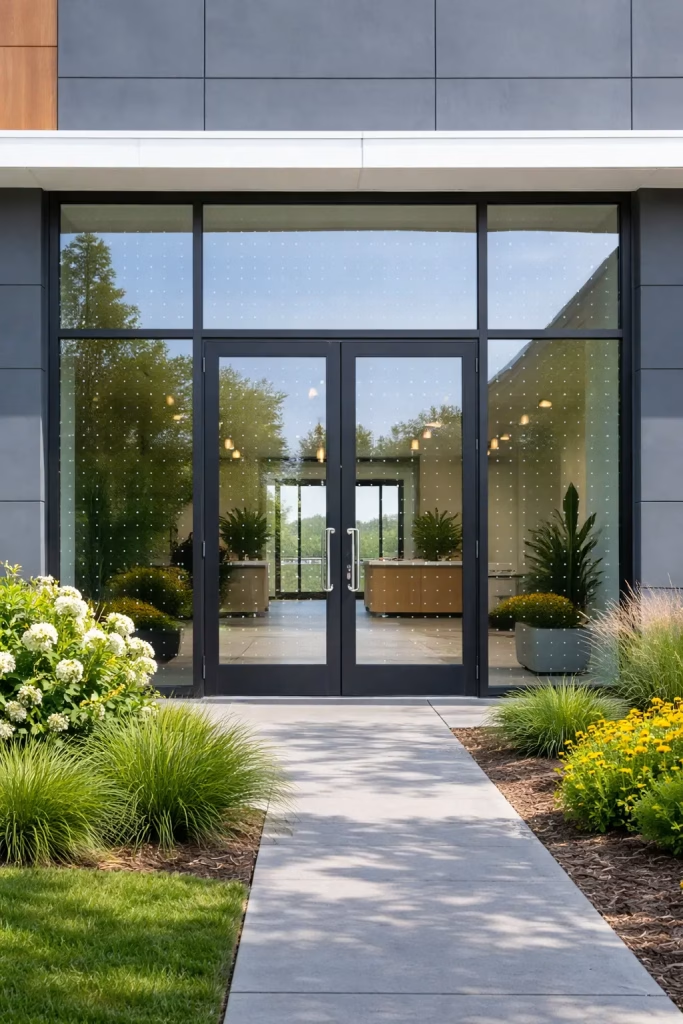
If you are comparing options, keep the decision process simple.
Start with the problem window, not the whole building
Ask where the collisions are happening and what the glass is reflecting. That tells you far more than starting with a generic product catalog.
Match the solution to the building type
A detached home may need targeted bird-safe glass on patio doors and a rear elevation. A retail business may need bird-safe glass at the storefront and vestibule. An office project may need it at the lobby, corners, and transparent links.
Combine safety with performance goals
If you are already upgrading glazing, think beyond one issue. Bird-safe glass can be planned alongside thermal performance, noise control, privacy, and code-related safety needs. That makes the project more efficient and more valuable over time.
Think about maintenance and durability
Some bird-safe glass solutions are permanent and built into the glazing. Others are retrofit-based and should be chosen with maintenance, cleaning, and long-term appearance in mind.
Work with a glass team that understands real-world openings
Specification is important, but so is execution. The right bird-safe glass pattern will not help much if the wrong unit is selected, the details are missed, or the surrounding glazing condition has already deteriorated.
Bird-Safe Glass for GTA Homes and Businesses
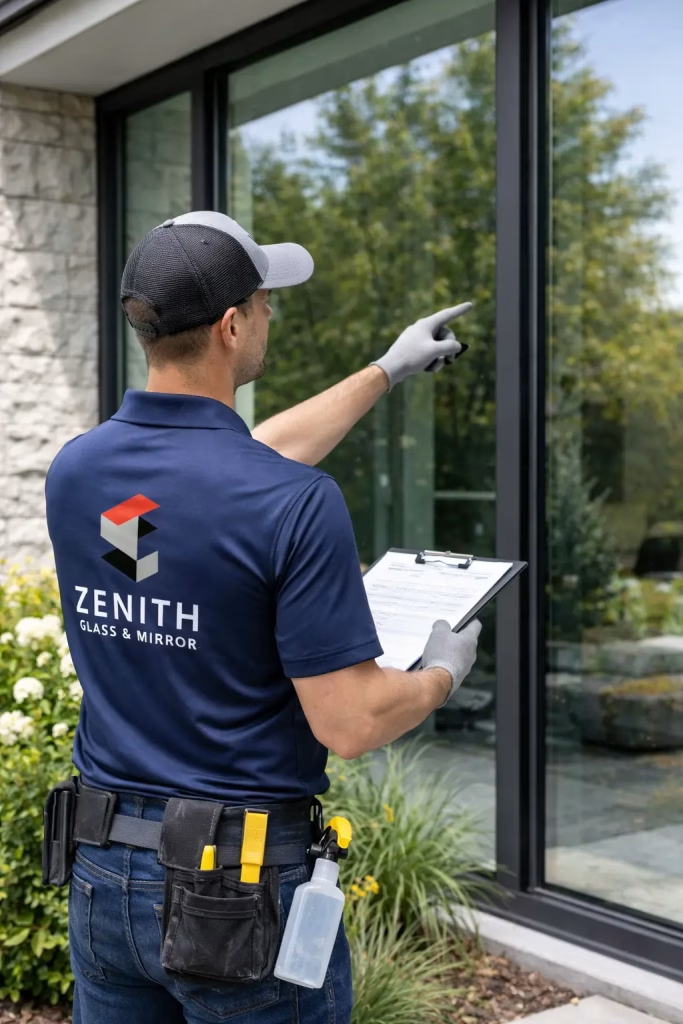
Bird-safe glass makes the most sense when it is treated as a practical upgrade, not just an environmental add-on. It can improve how a home, storefront, office, or multi-use property performs in the real world while still protecting the design goals that made glass attractive in the first place.
For property owners across the GTA, Zenith Glass is well positioned to help evaluate where bird-safe glass fits into the bigger picture. That may mean replacing failed glazing, upgrading a reflective storefront, assessing a residential collision hotspot, or combining bird-safe glass with higher-performance insulated units and safer glazing choices.
If you are planning a commercial project, Zenith’s commercial storefront glass services and glass office solutions are natural starting points. If the problem is at home, Zenith also works across broader residential glass needs through its core glass repair and replacement services. You can also explore completed work on the projects page, learn more about the company, and review coverage across the GTA service areas, including Mississauga and North York.
If you already know which windows are causing the problem, the next step is simple: get a professional opinion on whether a retrofit or replacement bird-safe glass solution makes more sense for your property. To start that conversation, reach out through Zenith’s contact page and have the affected windows reviewed before the next migration season arrives.