
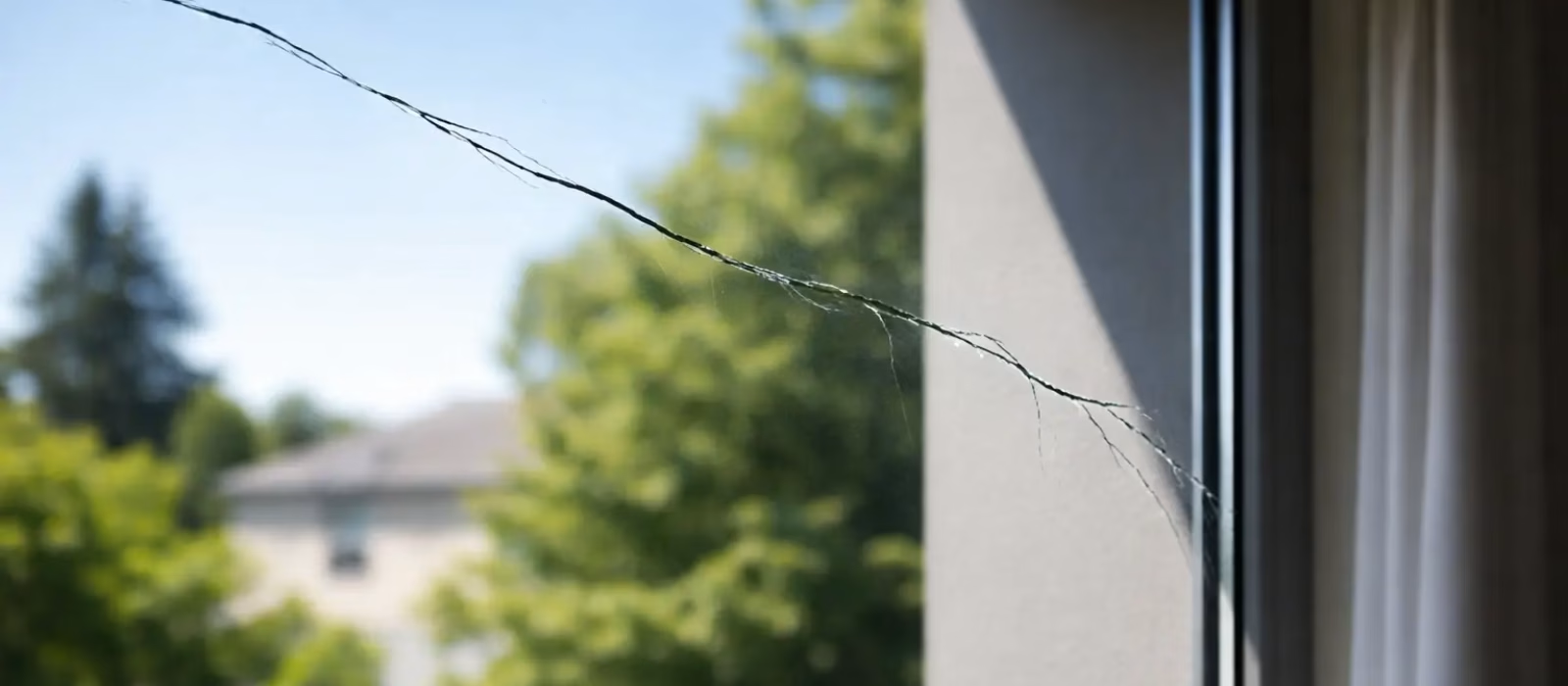
Window stress cracks can be confusing because they often appear when nothing obvious happened. No baseball. No break-in. No slammed door. Just a crack that seems to come out of nowhere.
That is exactly why window stress cracks catch so many homeowners and property managers off guard. They can show up in homes, offices, storefronts, and industrial spaces, especially when glass is exposed to uneven temperatures, installation pressure, or long-term structural movement.
If you are already dealing with visible glass damage, this is also a good time to review these signs you need residential glass repair and compare your situation with Zenith’s broader guidance on choosing the right glass for your space.
In this guide, we will break down what window stress cracks are, why they happen, how to spot them, and what to do next if you find one.
What Window Stress Cracks Actually Are
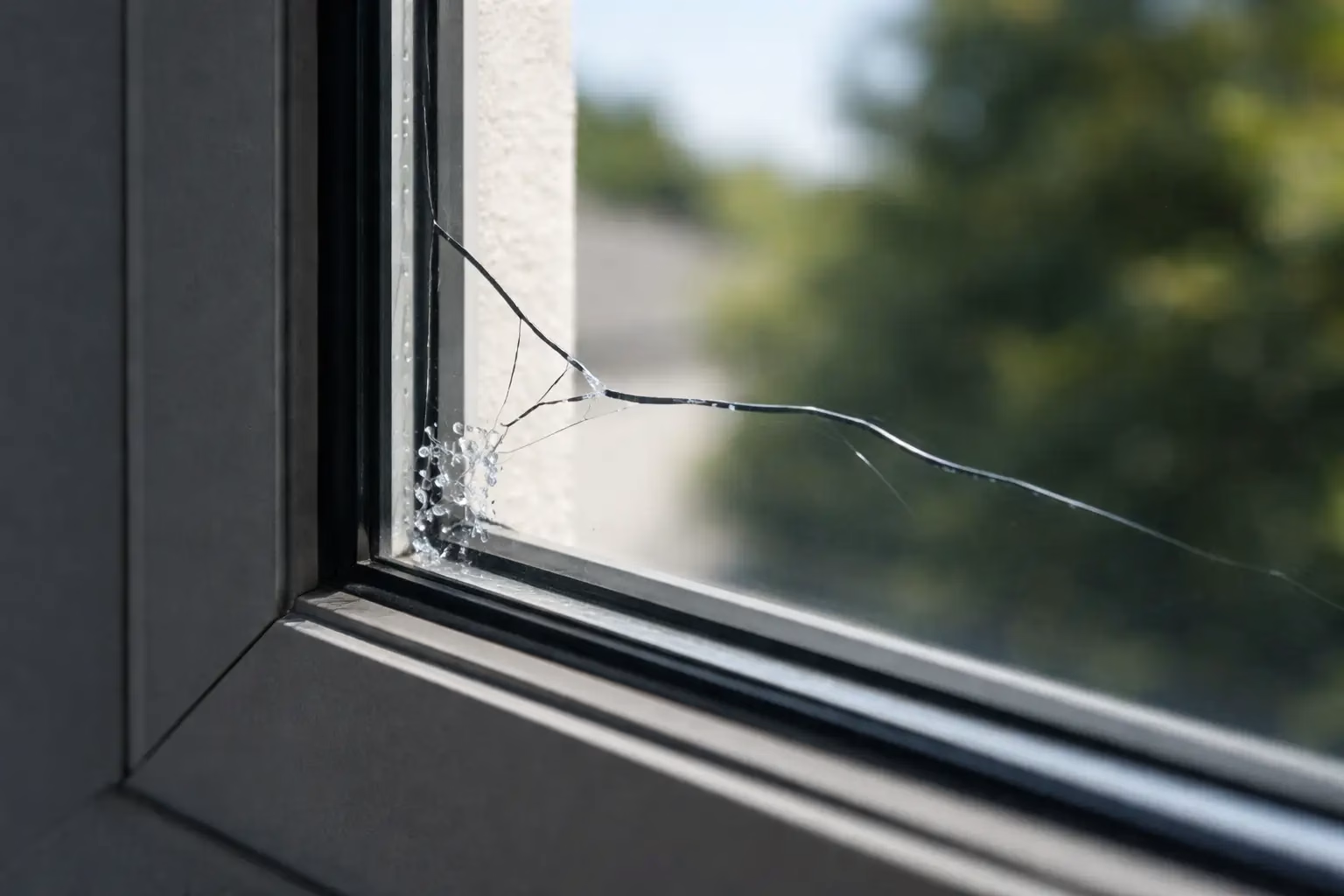
Window stress cracks are fractures that happen when glass is under pressure from temperature imbalance, structural movement, or edge weakness rather than direct impact.
In simple terms, one part of the glass is being forced to behave differently from another part. Maybe one area is heating up much faster. Maybe the frame is putting pressure on the pane. Maybe a tiny edge flaw has been there for months and finally gives way. When the stress becomes too great, the glass cracks.
Can a window crack without anyone hitting it?
Yes. That is one of the most frustrating things about window stress cracks.
They often start at the edge of the glass and move inward. Because there is no obvious impact point, people assume the crack is random. It usually is not random. It is usually the result of pressure building over time or a sudden temperature difference across the pane.
Manufacturers and technical glass resources discuss this kind of thermal stress in glass in detail, especially when part of a window is hot and another part remains cool.
9 Hidden Causes of Window Stress Cracks
Not every crack has the same origin. That is why diagnosis matters. Here are the most common hidden triggers behind window stress cracks.
1. Uneven sunlight across the same pane
This is one of the biggest causes of window stress cracks.
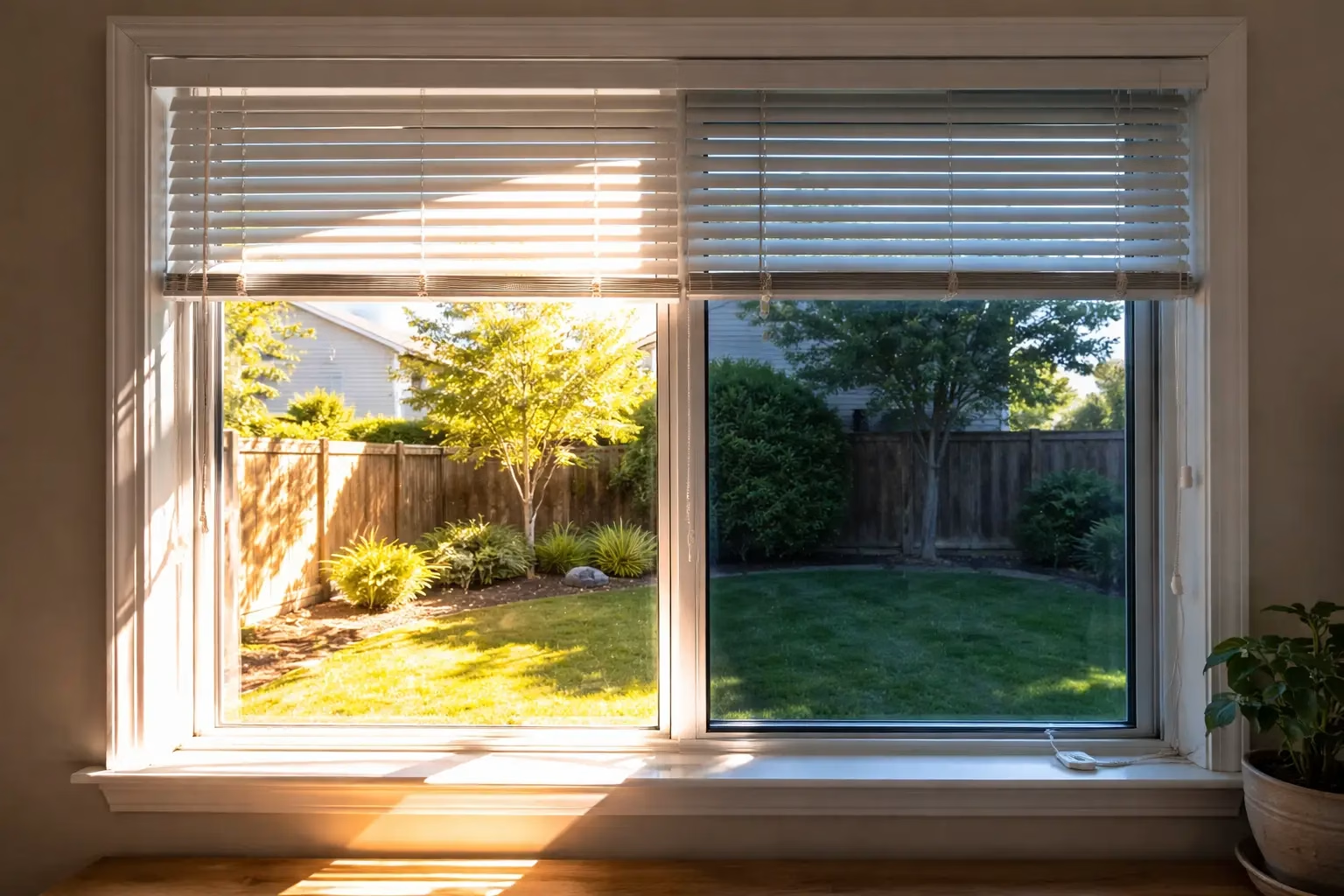
Imagine a large living room window in the morning. Half of the glass is getting direct sunlight. The other half is still shaded by a roof overhang, nearby tree, fence, or curtain. The sunlit area heats and expands faster. The cooler area lags behind. That difference creates tension in the pane.
The larger the glass, the greater the risk.
This is especially common in wide residential windows, commercial glazing, and large office panels.
2. Dark blinds, blackout curtains, or window film
Many people do not realize that the things meant to improve comfort can sometimes increase glass stress.
A dark blind pulled close to the pane can trap heat against the glass. Certain films, decals, or temporary coverings may also change how the glass absorbs and releases heat. That uneven heat buildup can contribute to window stress cracks, especially on older units or large south-facing windows.
If you are exploring upgraded privacy options, it is better to plan the glazing system correctly from the start with products such as frosted glass solutions rather than relying on a patchwork approach later.
3. Nearby heat vents, radiators, or space heaters
Direct heat near a cold pane is another common trigger.
A floor vent blowing warm air onto the lower corner of a winter-chilled window creates a sharp temperature difference. The same can happen with portable heaters, radiators, and even strong HVAC supply vents in commercial settings.
Window stress cracks often show up where warm air repeatedly hits one section of the glass while the rest stays cooler.
4. Tight installation or frame pressure
Sometimes the glass is fine, but the installation is not.
If a pane is fitted too tightly, the frame may leave too little room for natural expansion and contraction. Over time, that pressure can build. Add temperature swings, and the pane becomes even more vulnerable.
This is one reason professional measuring, fabrication, and installation matter so much. It is not only about appearance. It is about long-term performance.
5. Structural settling or frame movement
Buildings move more than people realize.
A home may settle slightly over the years. A commercial opening may shift. An older frame may warp. When that movement transfers pressure to the glass, window stress cracks can begin at the edge and gradually spread.
This is important in both residential and business properties. If you manage a commercial space, it is worth reviewing Zenith’s office glass services and commercial glass doors and windows to understand how glazing systems perform under daily use.
6. Small edge chips or fabrication damage
Glass edges matter more than most people think.
A tiny chip, nick, or rough edge can act like a weak point. The pane may hold up for weeks or months. Then one day, after sun exposure or temperature change, that weak point becomes the starting line for a full crack.
This is why a window can appear fine until it suddenly is not.
7. Oversized panes with the wrong glass specification
Bigger glass looks fantastic, but it needs the right build.
Large windows, custom openings, and exposed façades may need stronger or better-suited glass types depending on sun exposure, wind load, safety needs, and energy performance. If the wrong thickness or treatment is used, the risk of window stress cracks increases.
If you want a helpful refresher on glass selection, Zenith’s article on tempered vs. laminated glass is a useful companion read.
8. Seasonal temperature swings
Window stress cracks often become more noticeable during seasonal transitions.
A chilly morning followed by strong afternoon sun can be enough to stress a vulnerable pane. Spring and fall are common times for this, but fast changes in winter and summer can also create problems.
In Canada, performance matters even more. Natural Resources Canada notes that ENERGY STAR-certified windows and doors can improve energy efficiency, which is one more reason old, failing glass units deserve attention instead of delay.
9. Ignoring early warning signs in insulated units
A pane that is already compromised is more likely to fail under stress.
If you have seal failure, moisture between panes, visible edge deterioration, or recurring condensation, the unit may already be weaker than it looks. At that point, window stress cracks become more likely.
That is why window problems should be looked at as a system issue, not just a cosmetic one. If you have fogging as well as cracking, Zenith’s guide on how to repair fogged double pane glass windows is directly relevant.
How to Tell Window Stress Cracks From Impact Cracks
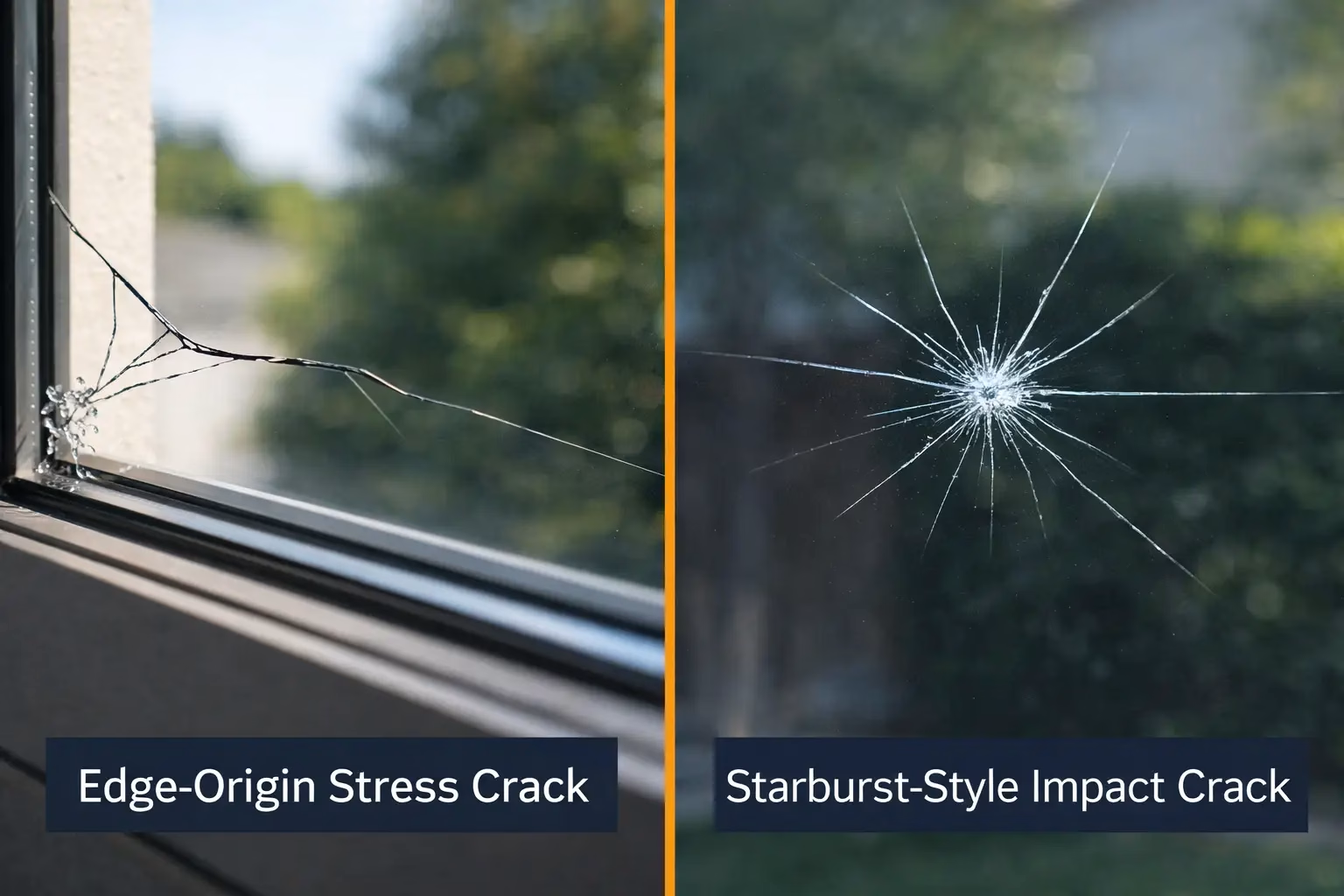
A lot of people ask the same question: how do I know whether this is one of those window stress cracks or just ordinary breakage?
Here is the easiest way to look at it.
Window stress cracks usually:
- Start at the edge of the pane
- Travel inward in a fairly straight or gently curving line
- Do not have a central impact point
- Appear suddenly after temperature changes or prolonged pressure
- May continue to spread over time
Impact cracks usually:
- Start from the center of the hit
- Show a starburst or spiderweb pattern
- Have a visible chip, point of contact, or obvious cause
- Happen immediately after an object strike
What does a thermal stress crack look like?
Most window stress cracks begin at a 90-degree angle from the glass edge. That edge-origin pattern is one of the strongest clues.
If the pane cracked from a ball, tool, stone, or other object, you are much more likely to see a center point and radiating lines.
For deeper technical reading, manufacturers such as Vitro Architectural Glass publish resources on thermal stress and glass breakage that help explain why edge conditions matter so much.
Can Window Stress Cracks Be Repaired?
This is where many property owners hope for a simple answer.
Sometimes the crack can be stabilized temporarily for safety, but true window stress cracks usually mean the integrity of the glass is compromised. In most cases, replacement is the proper long-term solution.
Why? Because the pane has already failed under stress. Even if the crack looks small today, it can grow with the next cycle of heat, shade, vibration, or building movement.
Can you keep using the window if the crack is small?
You can sometimes live with it for a short time, but that does not mean you should ignore it.
A small crack can become:
- A safety issue
- An energy-loss issue
- A moisture-entry issue
- A bigger repair bill later
That is especially true for double-pane or insulated units. Once a cracked unit loses seal integrity, performance drops quickly.
If your property relies on insulated performance, take a close look at Zenith’s insulated glass solutions. If the issue is tied to a warehouse, plant, or demanding commercial environment, the relevant service pages may be industrial glass or heavy-duty glass repair.
Is replacement always the whole window?
Not always.
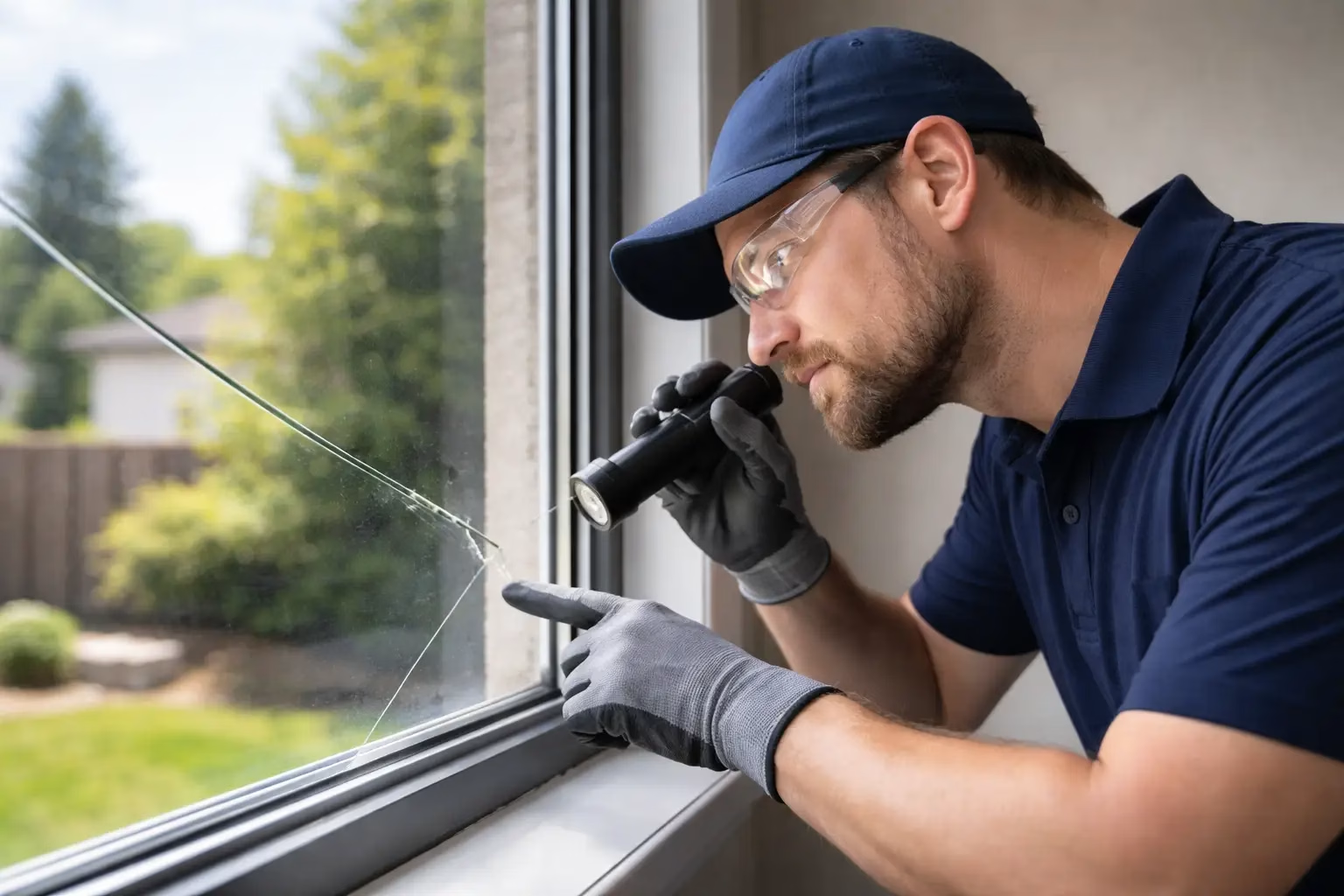
In many cases, the full frame does not need replacement. The glass unit itself may be replaced if the frame is still sound. That is why inspection matters. A professional can determine whether the problem is isolated to the pane, the sealed unit, the frame, or the installation condition around it.
That distinction can make a real difference in budget and scope.
How to Prevent Window Stress Cracks in the Future
You cannot eliminate every risk, but you can reduce the chances of future window stress cracks.
Use the right glass for the opening
This is the biggest prevention step.
Glass selection should reflect window size, sun exposure, location, and use. A large west-facing residential pane may need a different strategy than an interior office partition or a commercial storefront system.
That is why custom specification matters more than guesswork. If you are planning other interior upgrades too, Zenith also offers solutions for glass offices, commercial storefront glass, glass railings, glass shower doors, custom mirrors, glass cabinets, and glass mirrored walls.
Be careful with heat buildup near the pane
Try to avoid:
- Space heaters aimed at windows
- Furniture blocking airflow around glass
- Dark coverings pressed tightly against the pane
- DIY films without checking compatibility first
Even a good window can struggle if one section is constantly hotter than the rest.
Replace older failing units before they worsen
People often wait until the problem becomes dramatic.
But the smarter move is earlier action. If you already see fogging, recurring condensation, chipped edges, or minor cracks, deal with the issue before window stress cracks spread or multiply.
Do not ignore commercial warning signs
For business owners, cracked glazing is not just about aesthetics.
It affects comfort, appearance, security, and sometimes customer perception. If you own or manage a storefront, office, or mixed-use property, cracked glass should be handled promptly. Zenith’s related resources on storefront glass repair and office glass are a good place to start.
What Homeowners and Business Owners in the GTA Should Do Next
Window stress cracks are easy to underestimate because they often look minor at first. But they are usually a sign that something in the glazing system is off, whether that is heat imbalance, edge weakness, seal failure, frame pressure, or the wrong glass choice for the opening.
The good news is that the next step does not have to be complicated.
Start by documenting the crack, checking whether it begins at the edge, and noting whether the window also has fogging, drafts, or frame-related issues. Then get a professional opinion before the damage spreads.
Zenith Glass is well positioned for that kind of assessment because the company already works across residential, commercial, and industrial glass projects throughout the GTA. You can explore its main glass repair and replacement services, learn more about the team, review service areas across the GTA, or contact Zenith directly through the contact page. If you are specifically located in Peel Region, the Mississauga glass repair page is also relevant.
Whether the answer is replacing one failed pane, upgrading to better-performing insulated glass, or reviewing a larger glazing issue in a home, office, storefront, or industrial property, acting early is the best way to protect safety, energy performance, and appearance.
If window stress cracks have already appeared in your property, treat them as a real signal, not a cosmetic annoyance. The sooner the issue is diagnosed, the easier it is to choose the right repair or replacement path.