
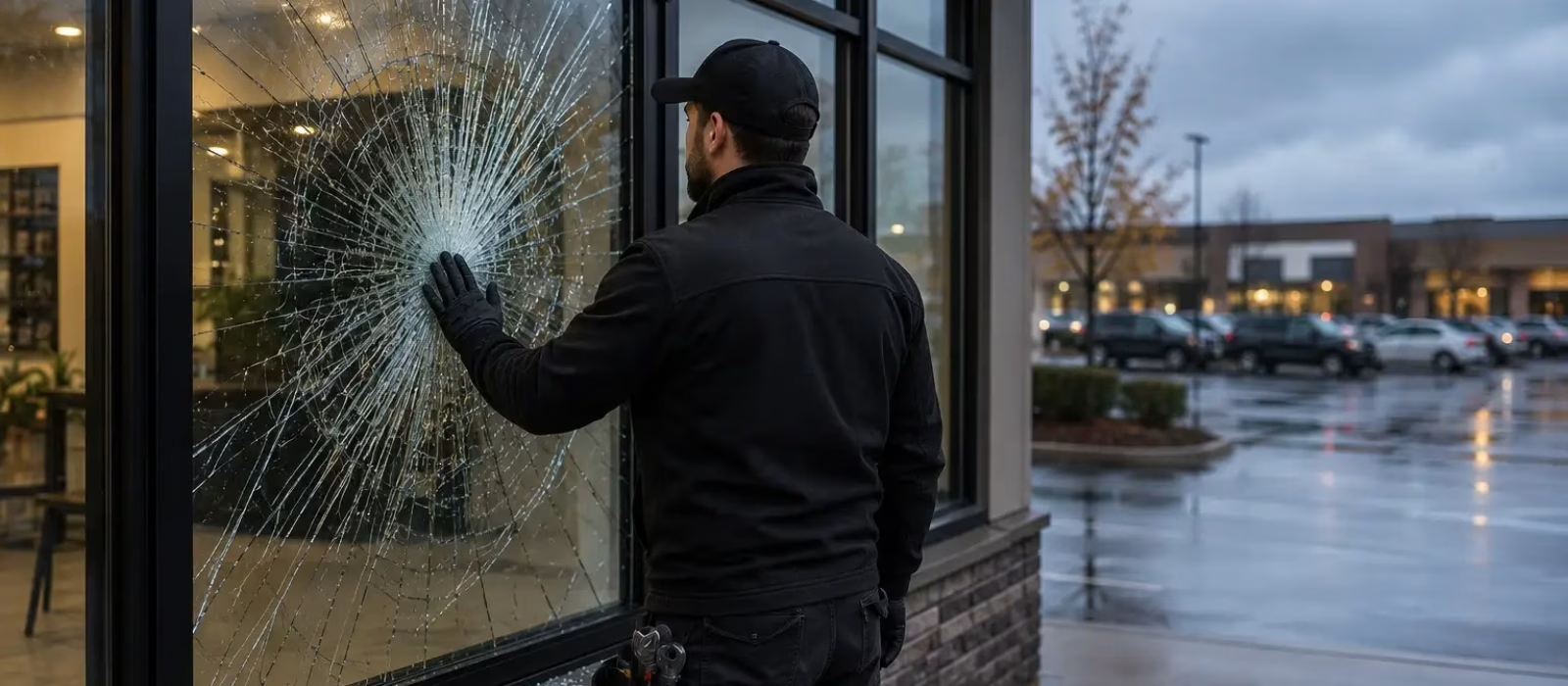
A shattered window, broken glass door, or damaged storefront can quickly become a safety and security problem. When you need emergency glass repair in Toronto, the first priority is protecting people, preserving evidence when necessary, and securing the property against weather or unauthorized entry.
Glass emergencies may happen after a break-in, accidental impact, severe weather, construction work, door failure, or a crack that suddenly spreads across a pane. The correct response depends on where the glass is located, whether anyone is injured, and whether the property is open to the outside.
Use the following steps to protect your home or business while arranging a professional assessment. Property owners can also review Zenith Glass & Mirror’s Toronto glass repair services for local repair and replacement options.
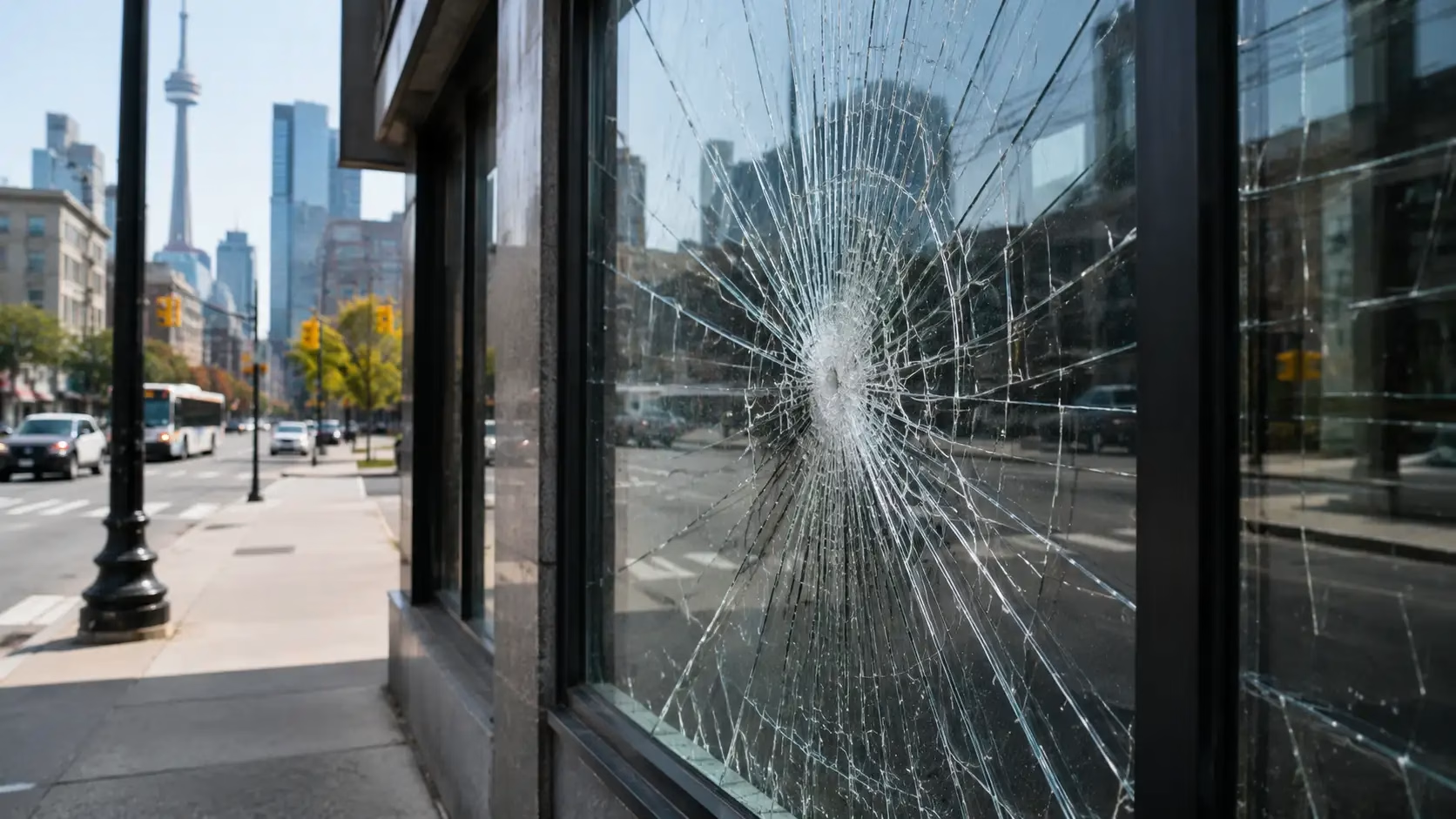
Emergency Glass Repair Toronto: The First 7 Steps
1. Check for immediate danger
Do not walk directly toward shattered glass. First, determine whether anyone is injured, whether glass is still falling, and whether the damaged opening exposes the property to traffic, severe weather, or unauthorized entry.
Call 911 when a crime is in progress or there is an immediate threat to people or property. If you arrive at a property and believe a break-in may have occurred, the Toronto Police Service advises that you should not enter because the person responsible may still be inside.
Keep a safe distance and wait for emergency services when:
- Someone may still be inside the property.
- A person has been injured.
- Glass is hanging above an entrance or walkway.
- A large exterior panel appears unstable.
- The opening creates an immediate hazard to the public.
- Electrical wiring, fire, structural damage, or hazardous materials are involved.
Do not attempt to remove a large hanging panel yourself. Architectural glass can be heavy, unstable, and difficult to handle safely.
2. Keep people and pets away from the glass
Create a clear exclusion area around the broken glass. Close the affected room or section when possible, and place a visible barrier far enough away that no one can accidentally step into the debris.
At a commercial property, redirect customers and employees to another entrance. Keep emergency exits, fire routes, and accessible entrances clear. A temporary barrier should not create a second trip or evacuation hazard.
Never handle broken glass with bare hands. The Canadian Centre for Occupational Health and Safety identifies sharp edges, falling glass, heavy sheets, cuts, and eye injuries as significant hazards. Proper gloves, protective footwear, and eye protection may be necessary when handling glass.
Small fragments can travel farther than expected across tile, concrete, hardwood, and carpeting. Keep children and pets out of the area until the space has been inspected and cleaned safely.
3. Preserve evidence after a suspected break-in
A broken storefront, door, or window may be part of a crime scene. Do not immediately sweep the area, touch the frame, move nearby objects, or begin temporary repairs.
Toronto Police Service advises property owners not to touch or clean anything until police have inspected the location for evidence. Follow the responding officer’s instructions before arranging cleanup or temporary securement.
After police release the area, document the damage by:
- Photographing the opening from several angles.
- Photographing the frame, locks, hinges, handles, and door hardware.
- Recording when the damage was discovered.
- Saving relevant surveillance footage.
- Keeping the police occurrence or report information.
- Listing damaged or missing property.
- Notifying the property owner or building manager.
- Contacting the insurance provider for instructions.
Photographs, estimates, invoices, and repair records may be useful during an insurance claim. Coverage and documentation requirements depend on the individual insurance policy.
4. Avoid risky temporary repairs
It may be tempting to tape a cracked pane, push loose fragments out of the frame, or climb a ladder to cover an opening. These actions can cause the remaining glass to shift or collapse.
Avoid:
- Pressing against cracked or bowed glass.
- Pulling fragments from the frame.
- Applying forceful tape to an unstable pane.
- Standing directly below damaged overhead glass.
- Climbing outside the building without proper equipment.
- Attempting to cut replacement glass yourself.
- Using an unsecured sheet or tarp where wind can catch it.
You may close an interior door or position a barrier at a safe distance. Removal of unstable glazing and exterior securement should be completed by trained professionals with appropriate equipment.
5. Contact a Toronto glass repair professional
After people are safe and any police investigation has been completed, contact a glass repair company. Providing accurate information can help the contractor understand the situation and determine what materials or equipment may be needed.
Prepare the following details:
- The property address.
- Whether the property is residential, commercial, or industrial.
- Whether the damage involves a window, entrance door, patio door, storefront, office partition, or another application.
- The approximate width and height of the opening.
- Whether the glass is cracked, shattered, loose, or missing.
- Whether the frame, lock, closer, hinge, or other hardware is damaged.
- Whether the property is exposed to the outside.
- Whether the incident involved a suspected break-in.
- Clear photographs of the damage.
- Parking, loading, access, or building-management requirements.
Do not worry if you cannot identify the type of glass. A professional can assess whether the opening uses tempered, laminated, insulated, tinted, coated, or another form of glazing.
Zenith provides both residential glass repair and commercial glass repair services for different types of properties and applications.
6. Secure the opening before permanent replacement
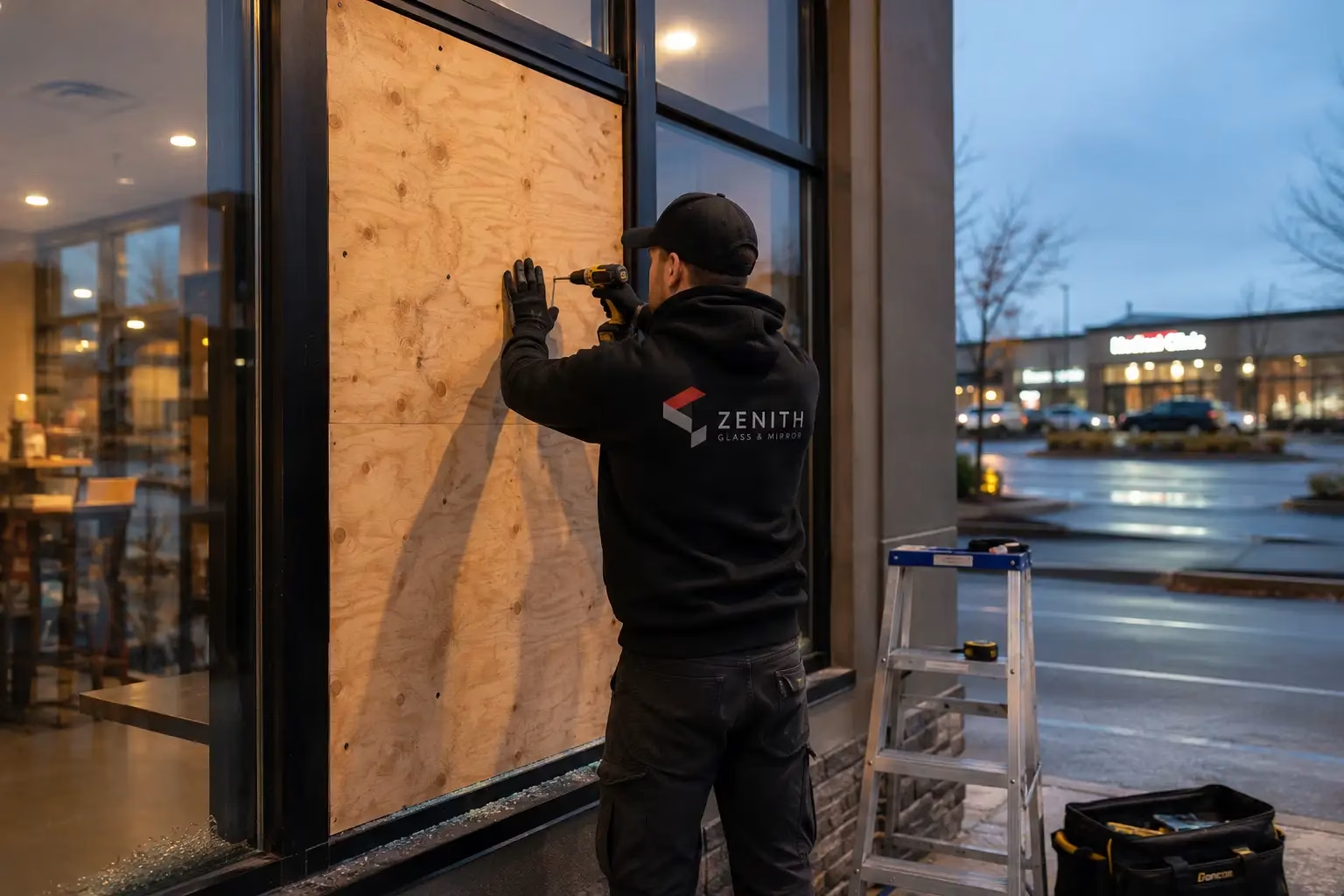
Permanent replacement glass may not always be available immediately. Large storefront panels, tempered glass, laminated glass, insulated units, tinted panels, and custom shapes often need to be measured and fabricated for the specific opening.
When immediate replacement is not practical, temporary securement may involve:
- Removing or stabilizing loose glass.
- Cleaning dangerous debris after the area has been released.
- Installing temporary board-up or another secure covering.
- Protecting the opening from rain and wind.
- Restricting access through a damaged entrance.
- Stabilizing damaged door or window components.
- Measuring the opening for permanent replacement glass.
Temporary securement is not the final repair. Its purpose is to reduce immediate security, weather, and public-safety risks while the correct replacement is prepared.
For a retail store, restaurant, office, clinic, or other street-facing business, a secured opening may help protect inventory and reduce public exposure while a permanent commercial storefront glass solution is arranged.
7. Arrange the correct permanent glass replacement
The replacement should match the application rather than simply filling the opening with whichever glass is available first.
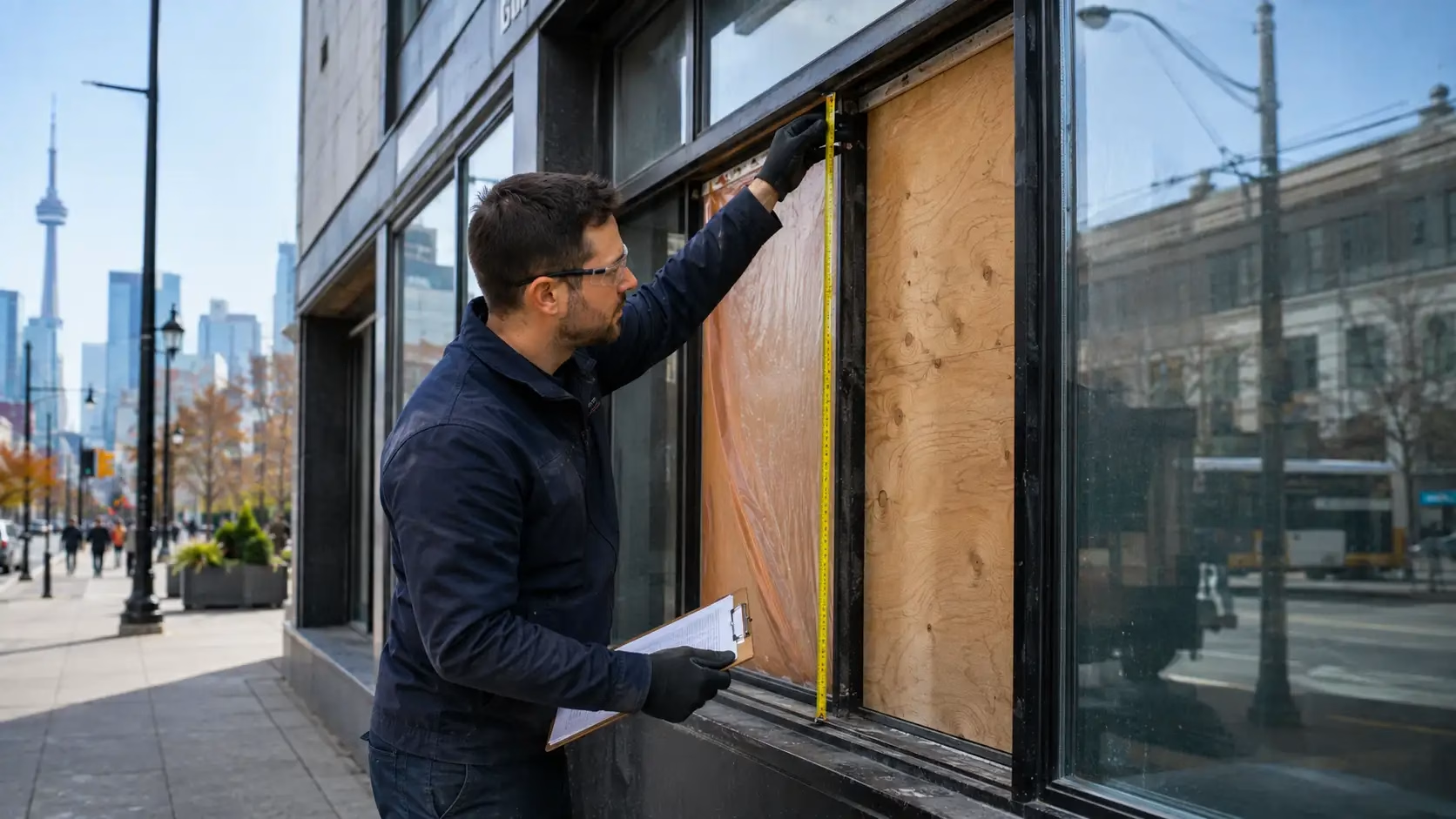
A professional assessment may consider:
- The required glass type and thickness.
- The panel dimensions and shape.
- The door or window framing system.
- Safety-glazing requirements.
- The condition of the existing frame.
- Exposure to impact or heavy traffic.
- Energy and insulation requirements.
- Security needs.
- Colour, tint, coating, or appearance.
- Hardware condition and operating clearances.
The existing frame can often remain when it is straight, secure, and undamaged. In these situations, glass-only replacement may be more practical than replacing the entire window or door system.
A distorted, corroded, loose, leaking, or heavily damaged frame may require additional repair or complete replacement.
Can Broken Glass Be Repaired?
The word “repair” often describes the overall service, but cracked or shattered architectural glass normally requires replacement. A structural crack cannot simply be glued back together and returned to its original condition.
Other components of the window or door system may be repairable, including:
- Door closers.
- Pivots and hinges.
- Handles and locks.
- Tracks and rollers.
- Weatherstripping.
- Gaskets.
- Sealant.
- Stops and glazing beads.
When a double-pane window becomes cracked or foggy, the sealed glass unit may sometimes be replaced while the existing frame remains. Learn more about Zenith’s insulated glass replacement options.
Emergency Glass Repair Toronto for Homes
Broken residential glass can affect family safety, home security, weather protection, indoor comfort, and energy performance.
Common residential glass emergencies include:
- Broken house windows.
- Damaged patio-door glass.
- Cracked entrance-door inserts.
- Shattered basement windows.
- Broken garage-door glass.
- Impact damage from sports or landscaping work.
- Storm-damaged panes.
- Cracked insulated glass units.
Keep family members and pets away until the opening is stable and the debris has been removed safely. When the window frame remains in good condition, replacing only the glass may restore the opening without requiring an entirely new window.
Emergency Glass Repair Toronto for Businesses
A commercial glass emergency can affect customer access, property security, business operations, inventory, insurance documentation, and the appearance of the building.
Common commercial emergencies include:
- Storefront damage following a break-in.
- Shattered glass entrance doors.
- Vehicle or equipment impact.
- Broken office partitions.
- Cracked restaurant or retail windows.
- Failed commercial insulated glass.
- Damaged door closers or pivots.
- Loose glass near public walkways.
Property managers should control access, preserve surveillance footage, notify police when appropriate, and document the condition before cleanup. Zenith’s existing guide to storefront glass repair explains additional considerations for damaged commercial façades.
How the Glass Repair and Replacement Process Works
Although every project is different, a typical repair or replacement process may include:
- An initial phone assessment and photo review.
- An on-site safety inspection.
- Removal or stabilization of dangerous glass.
- Temporary securement when necessary.
- Accurate measurement of the opening.
- Identification of the appropriate glass specification.
- Fabrication or sourcing of the replacement.
- Installation and sealing.
- Hardware adjustment when applicable.
- Cleanup and final inspection.
Replacement timing depends on the size, shape, glass type, frame condition, building access, technician availability, and whether custom fabrication is required.
A standard pane may be easier to source than a large tempered storefront panel or custom insulated unit. For that reason, temporary securement and permanent replacement may occur as two stages of the same project.
Choosing the Correct Replacement Glass
Tempered glass
Tempered glass is heat-treated to increase its strength. When it breaks, it is designed to form many relatively small pieces rather than large sharp shards. It is commonly used in doors and other safety-glazing locations.
Laminated glass
Laminated glass contains an interlayer that helps hold broken fragments together. It may be considered where post-breakage retention, security, sound reduction, or UV protection is important.
Insulated glass
An insulated glass unit contains two or more panes separated by a sealed space. It is commonly used where thermal performance, indoor comfort, and condensation control are important.
The appropriate replacement must be selected for the opening and its intended use. Safety glass should not be replaced with ordinary glass simply because ordinary glass is immediately available.
How to Reduce the Risk of Another Glass Emergency
Not every incident can be prevented, but routine inspections can identify developing problems before they become urgent.
Watch for:
- Edge chips.
- Cracks that continue to spread.
- Loose handles or locks.
- Doors that drag, slam, or fail to close.
- Dried, loose, or missing gaskets.
- Frame movement.
- Water entering around the opening.
- Fogging or moisture between panes.
- Glass that rattles inside the frame.
- Repeated vandalism or impact damage.
Commercial properties should include storefront panels, entrance doors, office glass, railings, mirrors, and insulated units in a regular inspection schedule. Zenith’s commercial glass maintenance checklist can help property teams recognize early warning signs.
Glass Repair Across Toronto and the GTA
Zenith Glass & Mirror provides residential, commercial, and industrial glass repair and replacement services from its North York location. Service is available across Toronto and other Greater Toronto Area communities.
Visit Zenith’s glass repair service areas to find information for Toronto, North York, Etobicoke, Scarborough, Vaughan, Markham, Mississauga, Brampton, and surrounding communities.
Frequently Asked Questions
Should I call 911 for a broken window?
Call 911 when a crime is in progress, someone may still be inside, a person is injured, or there is an immediate threat to people or property. For a suspected break-in, remain outside and follow police instructions.
Should I clean the broken glass before a technician arrives?
Do not clean or touch anything until police have inspected the scene when a break-in may have occurred. In other situations, keep people away and avoid handling unstable glass unless you have the correct training and protective equipment.
Can tape stop a cracked window from breaking?
Tape does not restore the structural strength of cracked glass. Applying pressure may also cause an unstable pane to move. Keep away from the opening and obtain professional advice before touching it.
Will I need an entirely new window?
Not necessarily. When the frame and sash remain in suitable condition, the glass or insulated glass unit may be replaced separately. Full replacement may be required when the frame is distorted, damaged, leaking, or structurally unsound.
How quickly can broken glass be replaced?
Timing depends on the dimensions, shape, glass type, frame condition, site access, material availability, and whether custom fabrication is required. Temporary securement may be recommended when the permanent glass is not immediately available.
Is emergency glass repair covered by insurance?
Coverage varies by policy and the cause of the damage. Photograph the damage, preserve estimates and receipts, keep police information when applicable, and contact the insurance provider for instructions.
What should I include with my quote request?
Provide the property address, location of the glass, approximate dimensions, description of the damage, several photographs, and information about frame or hardware damage. Mention whether the opening is unsecured or exposed to weather.
Get Help With Broken Glass in Toronto
Broken glass should be addressed promptly, but safety comes first. Keep people away, contact emergency services when required, preserve evidence after a suspected break-in, and arrange professional securement and replacement.
For residential, commercial, or industrial glass assistance, contact Zenith Glass & Mirror or call 416-747-8040 to describe the damage and request an assessment.